Month: February 2025

  • How to Experience Rwanda like a local

    How to Experience Rwanda like a local

    Rwanda provides an opportunity to experience daily life from a local perspective. While many visitors stick to guided tours and major landmarks, the country’s real essence is in its streets, markets, homes, and communities. Understanding Rwandans’ routines, traditions, and social interactions allows for a deeper and more meaningful visit.

    This guide outlines practical ways to explore Rwanda beyond the usual tourist activities. From choosing where to stay to navigating public transport, trying traditional meals, and engaging with local customs, each section provides insight into how to experience the country as a resident rather than a visitor.

    Stay in Local Accommodations

    Where visitors choose to stay significantly influences how they experience Rwanda. Opting for locally owned accommodations provides a deeper connection to the country’s daily life, offering opportunities to interact with residents and gain insight into social and cultural dynamics.

    Guesthouses and Family-Run Lodgings

    Guesthouses operated by Rwandan families or community cooperatives offer a more personalized experience than chain hotels. These establishments often serve traditional meals, employ local staff, and contribute directly to neighborhood economies. In Kigali, family-run lodgings in areas such as Nyamirambo or Kiyovu allow guests to observe daily routines and engage with local businesses.

    Homestays for Deeper Cultural Immersion

    For those interested in rural settings, homestays provide an opportunity to experience traditional Rwandan hospitality. Visitors can participate in cooking, farming, or storytelling sessions, fostering a direct exchange of knowledge and culture. Some community-based tourism initiatives, such as those near Volcanoes Park Rwanda and Akagera National Park, combine accommodation with cultural activities, allowing guests to stay with host families while learning about conservation and sustainable livelihoods.

    Eco-Lodges with Local Characters

    Boutique eco-lodges offer a middle ground between comfort and local immersion. These establishments, often constructed with materials sourced from the surrounding area, reflect Rwandan architectural styles and incorporate traditional design elements. Many are located near lakes, forests, or agricultural zones, providing direct access to everyday rural life.

    Engage with Local Communities

    Interacting with communities during your Rwanda safari provides a broader understanding of Rwanda beyond its urban centres and tourist attractions. Visiting cooperatives, participating in local initiatives, and engaging in cultural exchanges allow visitors to connect with residents meaningfully.

    Visit Community Cooperatives and Social Enterprises

    Many Rwandan communities have established cooperatives that support local artisans, farmers, and entrepreneurs. These cooperatives produce handmade crafts, textiles, and agricultural products while creating employment opportunities. Visiting a cooperative provides insight into traditional basket weaving, pottery, and beekeeping skills.

    Azizi Life, a well-known social enterprise, connects visitors with artisans in rural areas for hands-on experiences, including weaving workshops and farming activities. Other cooperatives, such as those specializing in banana wine production or coffee processing, offer guided visits demonstrating the techniques used in these industries. Purchasing items directly from these groups ensures that proceeds return to the artisans and their families.

    Participate in Umuganda (Community Service Day)

    Rwanda’s monthly community service day, Umuganda, occurs on the last Saturday of each month. During this nationwide initiative, residents come together to clean public spaces, repair roads, plant trees, and complete other community improvement projects.

    Visitors to Rwanda during Umuganda can participate by joining a local neighborhood or village effort. These activities foster direct engagement with residents while providing a firsthand look at Rwanda’s collective approach to social responsibility.

    Learn Traditional Skills from Local Experts

    Hands-on learning experiences create opportunities for more profound cultural exchange. Visitors can participate in traditional cooking, cattle herding, or storytelling sessions in rural areas. Some communities offer drumming and dance workshops, where local instructors teach the significance and technique behind Rwanda’s Intore dance and Inanga musical traditions.

    Farming activities are another way to engage with residents in a non-touristic setting. Some cooperatives welcome guests to join in daily agricultural routines, such as tea picking, coffee harvesting, or banana cultivation. These experiences provide a clearer understanding of the labor and skill involved in Rwanda’s agricultural economy.

    Discover Rwanda’s Cultural Heritage

    Rwanda’s cultural heritage is deeply rooted in its history, traditions, and artistic expressions. Exploring museums, historic sites, and traditional performances provides insight into the country’s identity and how its past continues to shape the present.

    Visit the King’s Palace in Nyanza

    The King’s Palace Museum in Nyanza offers a glimpse into Rwanda’s pre-colonial monarchy. The reconstructed royal residence, with its thatched dome structure, represents the architectural style of traditional Rwandan palaces. Guided tours explain the monarchy’s roles, rituals associated with royal life, and the significance of cattle in Rwandan culture.

    The site is also home to the Inyambo (sacred cows), a breed historically kept by the royal family. Known for their large, curved horns and ceremonial significance, these cows are tended by traditional caretakers who sing to them in a practice that reflects the importance of cattle in Rwandan society.

    Explore Local Museums and Cultural Centers

    Several museums and cultural centres across Rwanda provide deeper insights into the country’s history and artistic traditions. The Ethnographic Museum in Huye houses artefacts related to traditional clothing, hunting tools, and spiritual practices, offering a comprehensive look at Rwandan customs.

    In Kigali, the Rwanda Art Museum showcases contemporary works from local and international artists, highlighting the evolution of artistic expression in the country. Meanwhile, smaller cultural centres like the Nyamirambo Women’s Center focus on preserving oral history and traditional craftsmanship.

    Conclusion

    Experiencing Rwanda like a local requires a shift from sightseeing to meaningful engagement with daily life, traditions, and community interactions. Observing how residents navigate their routines, choosing local businesses, and participating in cultural exchanges provide a more comprehensive perspective of the country.

    Authentic travel is more than proximity—it is about understanding social customs, adapting to different ways of life, and respecting the rhythms of the places visited. Approaching Rwanda with curiosity and openness allows for a richer experience beyond tourist attractions. Whether in urban neighborhoods, rural villages, or cultural gatherings, each interaction adds depth to the journey and creates lasting connections with the people and places that define Rwanda.

  • How to Experience Uganda like a Local

    How to Experience Uganda like a Local

    The best way to understand Uganda is to experience it as locals do. This means going beyond tourist sites and engaging in everyday activities—taking a ride in a shared taxi, eating from neighborhood food stalls, and spending time in community spaces. These simple moments offer a clearer picture of daily life than any guided tour ever could.

    Traveling this way requires curiosity and an open mind. It’s about observing, participating in, and respecting traditions rather than just passing through. This guide highlights practical ways to explore Uganda and move beyond sightseeing and connect personally with Uganda.

    Eat Where the Locals Eat: Ugandan Cuisine

    Uganda’s food culture is deeply tied to its agricultural traditions, with meals often centered around fresh, locally sourced ingredients. Restaurants catering to tourists exist, but to experience authentic Ugandan cuisine, eating where the locals do is essential. Small roadside eateries, open-air markets, and neighborhood food stalls provide an unfiltered look at the country’s culinary habits, from preparation methods to communal dining customs.

    Use Public Transport & Boda Bodas

    Navigating Uganda like a local involves using the country’s informal yet efficient transport system. Public transport in Uganda operates without rigid schedules, with vehicles departing only when full. While this system may seem chaotic to first-time visitors, it reflects the country’s adaptable approach to daily commuting.

    Matatus – Shared Taxis for City and Suburban Travel

    Matatus are the most common form of public transport in urban areas. These white minibuses, marked with a blue checkered stripe, follow fixed routes but lack designated stops. Passengers flag them down or disembark at their preferred location. Fares are affordable and vary based on distance, making matatus a cost-effective way to get around.

    Inside, seating is tight, and conductors—locally known as touts—manage fare collection and passenger coordination. First-time users should carry small bills in Ugandan shillings and be prepared for occasional delays due to unpredictable traffic. While matatus can feel overcrowded, they offer a firsthand look at everyday commuting culture, where conversations, music, and urban street life unfold within the vehicle.

    Boda Bodas – The Fastest Way to Move Through Traffic

    For short distances, boda bodas (motorcycle taxis) provide the quickest way to navigate Uganda’s often congested roads. They operate independently, with riders waiting at designated boda stages or offering rides along busy streets. Negotiating the fare before starting the trip is essential, as prices fluctuate depending on distance and time of day.

    Boda bodas offer flexibility, but safety should be a priority. Choosing riders with helmets, avoiding high-speed highway rides, and using regulated boda-hailing apps such as SafeBoda can reduce risk. While bodas are a daily necessity for many Ugandans, tourists should exercise caution, especially when unfamiliar with local road conditions.

    Attend Traditional Events & Festivals

    Uganda’s cultural identity is reflected in its traditional events and festivals, which unite communities for ceremonies, performances, and celebrations. Attending these gatherings provides tourists with a chance to witness authentic expressions of music, dance, storytelling, and rituals that have been passed down through generations.

    Imbalu Circumcision Ritual (Bagisu Initiation Ceremony)

    One of the most prominent cultural ceremonies is the Imbalu Circumcision Ritual among the Bagisu people of eastern Uganda. Held every two years in even-numbered years, this initiation ceremony marks the transition of boys into adulthood through public circumcision. The event is accompanied by drumming, dancing, and processions through villages, creating an intense and profoundly symbolic atmosphere.

    Tourists can observe the cultural significance of this practice, but participation should be approached with respect, as the ceremony holds profound meaning for the Bagisu community. It is advisable to attend with a local guide who can explain the traditions and protocols involved.

    Buganda Kingdom Events

    In Buganda, the Kabaka’s Birthday Run and other royal ceremonies provide insight into the kingdom’s traditions. The Buganda Kingdom Coronation Anniversary is another significant event, celebrating the Kabaka’s reign with public gatherings and cultural performances.

    Held at key sites such as the Lubiri (royal palace) or Kasubi Tombs, these events feature traditional dance, music, and speeches by cultural leaders. Tourists attending these ceremonies can better understand Buganda’s monarchy and its influence on Uganda’s history.

    Nyege Nyege Festival (Music & Arts Celebration)

    For those interested in contemporary cultural experiences, the Nyege Nyege Festival has gained international recognition as East Africa’s leading music and arts festival. Held annually in Jinja, this four-day event showcases a wide range of musical styles, from traditional Ugandan rhythms to electronic and experimental sounds.

    The festival attracts artists and audiences across Africa and beyond, creating a melting pot of cultures and creative expression. It is also known for its lively atmosphere, with performances taking place along the banks of the River Nile.

    Conclusion

    Experiencing Uganda beyond the conventional tourist itinerary provides a deeper understanding of the country’s cultural and social fabric. Engaging in everyday activities, using public transport, and attending local gatherings present an unfiltered view of life in Uganda. Visiting community markets, dining in informal eateries, and interacting with residents outside structured tours create opportunities for meaningful exchanges that go beyond surface-level observations.

    Approaching travel with curiosity and adaptability allows tourists to gain insight into often-overlooked traditions, customs, and local perspectives. While navigating informal markets, using shared transport, or participating in cultural events may require adjusting to unfamiliar settings, these experiences offer a rare opportunity to see Uganda from a local point of view.

    Responsible engagement is key to enriching these experiences for both visitors and communities. Respect for customs, openness to local ways of life, and appreciation for everyday routines foster more authentic connections. Observing how people live, work, and celebrate enhances personal travel experiences and contributes to a more thoughtful and considerate approach to tourism in Uganda.

  • Oyster Card: Pay as you go or Travelcard?

    Oyster Card: Pay as you go or Travelcard?

    If you’re going to spend few days in London, transport costs will take a good share of your budget. Find out how to optimize it at best!

    In a previous article we’ve seen in details how the public transport in London works, but some of you might still wonder: what do I need to buy? Oyster Card or Travel Card? Pay as you go or weekly pass?

    Well, let’s work it out. Mathematically.

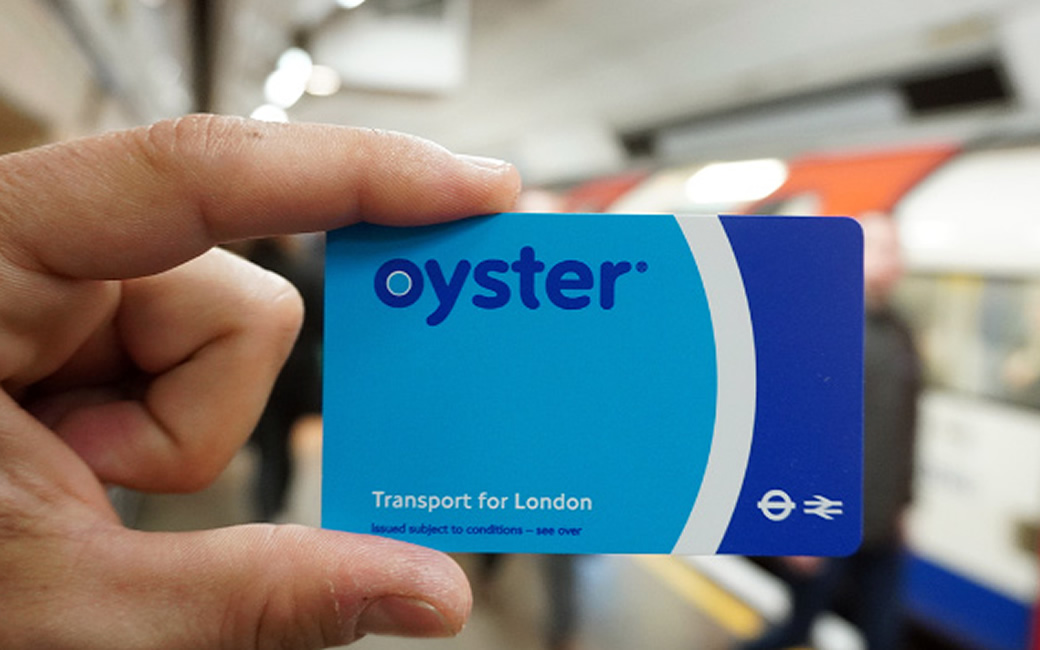
    If you ask me I’d say that the Oyster Card is always the best option. You will be charged a £5 deposit when you purchase it and both the deposit and unused credit (up to £10) will be refunded when you hand it back at any tube station before leaving London. Some people like to hold on it in case they’ll need it again, or as a souvenir… especially if you’re lucky enough to get a special edition.

    From now on we will assume you won’t take the tube on rush hour. Don’t do that! Always travel off peak, it’ll save you money and stress. Moreover the rates I’m mentioning are for zones 1-2 which is pretty much all you’ll need. Unless you go, for instance, to Wimbledon or Heathrow.

    Pay as you go

    The Oyster Card works on a “pay as you go” basis, where the amount of the ticket gets deducted every trip and you will stop getting charged when you reach the daily pass capping.

    • You will be charged £2.30 for each tube trip until you reach the daily capping of £6.40, which is less than 3 trips and it’s £2 less than the previous year!
    • You will be charged £1.50 for each bus trip until you reach the daily capping of £4.40, which is just 5p more than 3 trips.

    This solution is ideal for a few days visit as it gives you maximum freedom. Top up your card and use is without stress.

    Travel Card

    The only travel card options available are for 7 days or 1 month, and they can both topped up on your Oyster Card

    • The 7 days travel card for the tube is £32.10, which is roughly 5 full days on the tube or less than 15 tube trips.
    • The 7 days bus pass is £21.00, which is less than 5 full days on the bus or less than 14 bus trips.

    As you can see the 7 days travel card or pass is worth considering if you’re staying at least 5 days in London, and you’re planning to travel a lot.

    Refunding an Oyster Card

    Now it’s easy to have a refund if you’re no longer going to use your Oyster. Touch the card on the yellow reader of the ticket machines you’ll find in any tube station, tap on “Oyster refund” and follow the instructions. You will receive up to £10 of your pay as you go credit and the £5 deposit in cash. After getting this refund you won’t be able to use your Oyster again.

    Buying from abroad

    If you’re meticulous and want to avoid any possible inconvenience upon arrival you can order your oyster card in advance, using this link. I never tried so if you do please let me know how it goes!

    I always recommend to take the bus rather than the tube, to be able to look around, and to walk as much as possible, but obviously London is big and if you have a busy agenda you might have to take the tube, especially if going through the city centre.

    I hope now it all looks less complicated, but each trip is different so feel free to ask for tailored suggestions!

  • Visit the Rwenzori Mountains National Park

    Visit the Rwenzori Mountains National Park

    About Mt. Rwenzori National Park

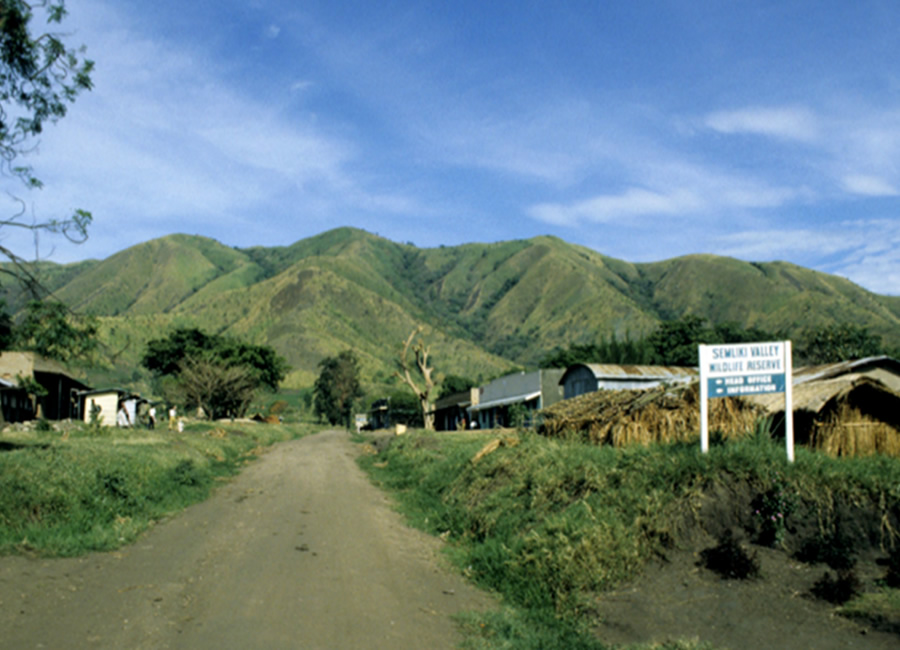
    Rwenzori Mountains National Park is home to the legendary. Rwenzori Mountains –Uganda’s highest mountain and the only block mountain that is ice-capped. Mount Rwenzori is 5109m (Margherita peak) and is found on Mount Stanley. Other peaks exist on glaciated mountain ranges like Mt. Emin (4791m), Mt. Baker (4842m), Luigi da Savoia (4527m), Mt. Speke (4890m), and Mt. Gessi (4715m).

    The Rwenzori Mountains National Park also provides refuge to over 70 mammal species and 217 bird species which include the Albertine Rift Valley endemic species of birds. Mt. Rwenzori National Park was gazetted in 1991 and officially, it was recognized as a UNESCO World Heritage Site in 1994.

    Rwenzori Mountains National Park extends 996 sq. km and comprises lush vegetation, rocky outcrops, lakes, cliffs, and snow-capped peaks.

    Different mammals to explore on a safari to the Rwenzori Mountains National Park. They include bushbucks, buffaloes, elephants, duikers, leopards, Rwenzori otters, bushbucks, and primates. The primates in the Rwenzori Mountains Park include chimpanzees, olive baboons, blue monkeys, red-tailed monkeys, and black and white colobus monkeys.

    Birds –over 217 bird species that survive in the Rwenzori National Park include the Rwenzori nightjars, Rwenzori double-collared sunbird, Rwenzori turacos, Archer’s robin-chat, lammergeyers, red-throated leather, and black eagles. In addition, there are 6 species of amphibians and reptiles including the 3 horned chameleon.

    Vegetation zone variations include afro-montane at 1765m to 2600m, bamboo zone 2600 to 3000m, heather zone 3000 to 3800, moorland 3800 m to 4500 meters, and lastly, the rocky glacier at 4500 meters and above.

    Things to do during the self-drive safari in the Rwenzori National Park

    Rwenzori Mountain climbing

    Mountaineering is the leading adventure any enthusiastic climber/hiker shouldn’t miss to enjoy on a Uganda road trip in the Rwenzori Mountains National Park. The available hiking or trekking routes to the summits of the legendary Rwenzori Mountains include the Central Circuit and Kilembe trail.

    En route to the Margherita peak, there are several camps to consider for overnight stay including Mutinda camp (3588m), Samiliara camp (3170m), Kalalama camp (3134m), Butawu camp and Hunwick’s camp (3974m), Sine hut (2596m), and Kiharo camp (3460m).

    Birding

    Over 217 bird species are distributed in the various habitats of Rwenzori Mountains National Park and include many Albertine rift endemic species. The birds to expect to search during the birding excursion in the Rwenzori Mountains include Lagden’s bush-shrike, slender-billed starling, Rwenzori turacos, Archer’s robin chat, ross’s turacos, laughing dove, white-napped pigeon, dimeric cuckoos, white-rumped swift, and levaillant’s cuckoos. Additional birds to sight include strange weavers, cinnamon-chested bee-eaters, and barred long-tailed cuckoos, to mention but a few.

    When to visit

    The dry season is the best time of the year to explore the Rwenzori Mountain ranges. This is from the longest dry season from June to September and short dry months; December, January to February. What to pack for the Rwenzori Mountaineering adventure; sleeping bags, crampons, sunglasses, trekking pants, snacks, gloves, a poncho, a pair of socks, an insulated jacket, mountaineering boots, first aid kit, and poncho.

  • Pizza in London: my Top 5 + 1

    Pizza in London: my Top 5 + 1

    Finding the best pizza in London is probably the Sacred Graal of the new Italian community here. Most non-Italian Londoners are obviously interested in the outcome of this research but it’s us who took on the quest with religious commitment.

    Me and my friends are very far from having explored all the pizzerias in London, but so far our research came with these results.

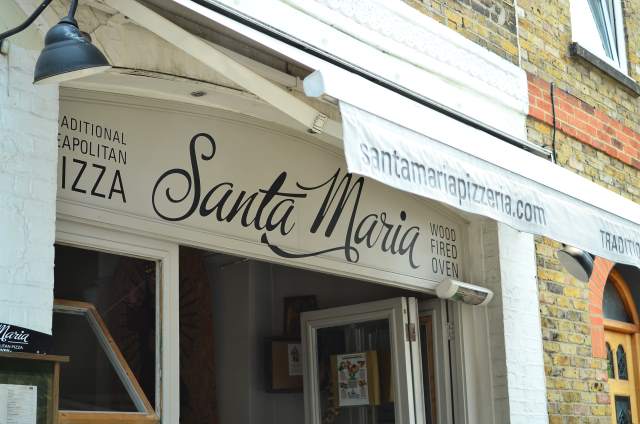
    Santa Maria

    15 Saint Mary’s Road, W5 5RA. Ealing Broadway (Central, District Line), South Ealing (Piccadilly Line)
    020 8579 1462 (no reservations)
    Website | Menu

    Santa Maria Pizzeria

    When my friends talked to me about this place I couldn’t believe they did seriously consider going there. I’m talking about Acton/Ealing, West London zone 3. I’ve been west of the Parliament only on the tube going to Heathrow, but never dared to actually go there.
    So one day I got on the tube for this never ending journey, topped by a good 10/15 minutes walking. The place is nice and cozy, so very authentic to look almost out of place, but it’s only when I gave the first bit that I understood why people go all the way there. The pizza here is made following the traditional neapolitan tradition, leaving the dough to rise for nearly 24 hours. That means that if you get there late they might have ran out of dough, so make sure you don’t make the trip in vain!

    Franco Manca

    Brixton, Market Row, SW9 8LD. Brixton (Victoria Line)
    020 7738 3021 (no reservations)
    See the website for more info and other branches.

    I’ll start this list with a classic. Loved and well known amongst both the Italians and the rest of London, Franco Manca gained notoriety thanks to the simplicity and quality of its pizza.
    Baked in the traditional Neapolitan way, pizzas are topped with natural ingredients and seasonal vegetables. Only 5-6 types of pizza are listed and, frankly, there’s never have been the need for more. The drinks are organic and the coffee is the real thing (when I say coffee in an Italian environment I only mean espresso).
    They opened a few more branches but I only visited the original one, at the entrance of the covered part of Brixton Market, coming from Electric Lane. I like the way it’s split in two by the market lane, with little tables crammed along the whitewashed brick walls, but you’re very likely to find long queues if you don’t go there early enough. But hey, that’s a good sign.

    Pappagone

    131 Stroud Green Rd, N4 3PX. Finsbury Park (Piccadilly / Victoria Line), Crouch Hill (Overground).
    020 7263 2114. Website | Menu
    Mon – Fri 10am – 3pm / 6pm – Midnight. All day Saturday, Sunday and Bank Holidays

    This is a place where I really feel home. The pizza is great, and so are the main courses but the main reason I go there regularly is because it’s the cheapest and quickest way to go back to Italy. The staff is entirely Italian and they loudly talk with each across the tables, creating a very characteristic and traditional “pizzeria atmosphere”. One of these dudes is at the door and greets you with a great smile. There are few stages of being a regular customer:

    • big smile (this comes for free, for everyone)
    • hand shake (after a few visits in a row)
    • hand shake and manly pat on the shoulder (for regular weekly visitors)
    • all of the above and calling you by first name (for those who gave up cooking at home)

    When I was living around there I managed to reach stage n.3, let’s see if you can do better! My favourite pizzas here are Valtellina or Parmigiana.
    A good place to visit, maybe after an afternoon in Crouch End or few pints ad the Falthering Fullback.

    Santore

    59 – 61 Exmouth Market, EC1R 4QL
    Farringdon (Circle, Metropolitan, Hammersmith & City Line), Kings Cross (Northern, Victoria, Piccadilly, Circle, Metropolitan, Hammersmith & City Line)
    020 7812 1488

    Quality Pizza in Exmouth market, in the area – Clerkenwell – that roughly a century ago until recent time was home to the Italian community in London. This area became recently a foodie paradise, and Santore is the place that set the quality threshold, being one of the first to open amongst those who are now shaping the area.
    I usually recommend this place for groups, at least 4 people, as its main characteristic is the possibility to order pizza by the meter. A long, long pizza is placed in the middle of the table and each one can take slices of different toppings. Great fun and great pizza, but don’t get involved in competitions on who can eat the longest…
    Usually one meter is good for 4 people but whenever we stick to this rule we always order a “dessert pizza” to share at the end. Also conveniently located next to Café Kick, great for warm up drinks or for after dinner tipples.

    Pizza East (Kentish Town)

    79 Highgate Rd, London NW5 1TL
    Mon – Thu 12:00 pm – 12:00 am / Friday 12:00 pm – 1:00 am/ Saturday 9:00 am – 1:00 am / Sunday 9:00 am – 11:00 pm
    020 3310 2000 | Website

    This little chain, started in Shoreditch, is quickly expanding. I’ve tried this successful joint in Kentish Town mainly because of a 20% I got with the ticket for a gig the same night at the Kentish Forum (sometimes it’s really worth reading the small print!). The atmosphere is not that traditional, but I appreciate their radical approach. Dim lights and a buzzing room with just the right amount of noise to have a private conversation without shouting. The pizza is really good: thick crust, crispy and well cooked, baked in wooden fire oven. However it’s a bit pricey: £8 for a margherita up to £13 for a more elaborate pizza.

    Sartori

    15-18 Great Newport Street, WC2H 7JE. Leicester Square (Northern, Piccadilly Line).
    Daily 12:00pm – 11:00pm
     020 7836 6308 | Website

    The pizza here is good, the atmosphere is a bit more posh than in the restaurants mentioned above but, considering we are in Leicester Square / Covent Garden area, they’re still doing well in terms of vibe.

    The quality of the dough and topping is high (my favourite is the Siciliana, with aubergines and parmesan cheese) and surely is one of the best options for eating in an area plagued by soul-less chains as Covent Garden.