Category: Guides

  • Iceland: What’s the Best Travel Guide?

    Iceland: What’s the Best Travel Guide?

    Choosing a travel guide is never an easy task. The best would be to buy all of them or, at least, go to a library and go through the most of them, before deciding. For our trip to Iceland went for the Rough Guide, just for a change, as it served us well in Warsaw. Since we were driving a car we also needed to buy a detailed map.

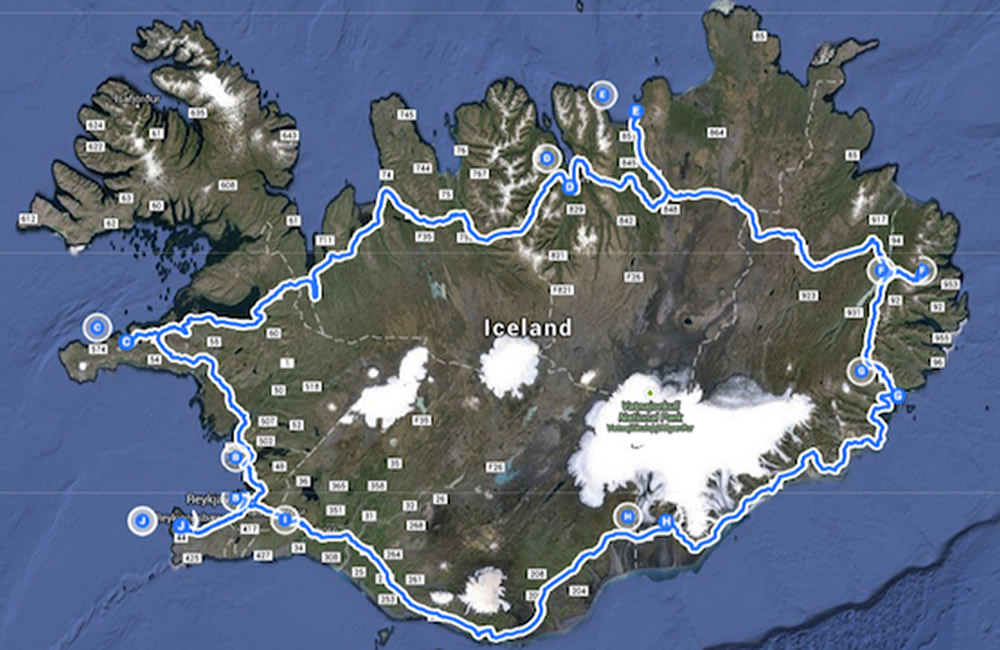
    Our Iceland Road Map

    We were expecting to consult our map outdoor, under extreme weather conditions, the paper torn apart by strong gales and battered by icy rain. This never happened but we decided to buy a waterproof and tearproof map, one of the folding type. We would have preferred a book map, much easier to use inside the car, but the difference of price between the two models was high enough to influence the choice. I would now go for the book map, or for more detailed regional maps as details can be significative when you’re lost in the middle of nowhere with nobody to ask directions to. Check our article for more tips about maps and driving in Iceland.

    Rough Guide Iceland 2013

    Iceland Travel Guides

    Our Rough Guide let us down in few occasions. The Snaefellsnes peninsula was described as a collection of eventless towns, wooden churches and rocks, while our host in Grundarfjordur penned down for us an unforgettable one-day itinerary.

    In the Myvatn region we were massively disappointed as we missed out on this just because it wasn’t clearly described and it wasn’t on the map. Talking about guides with a couple, whose path we crossed a few times along the road, they had the same feedback about their Lonely Planet. Sure we might have got all the hints if we had read the guide thoroughly but I reckon guides should be thought for being consulted quickly on the go.

    They can be found at any tourist information centre of the country, I started collecting them even if we initially thought they were just an excuse to advertise local hotels and restaurants. As a matter of fact they turned out to be incredibly useful, rich of details on the area they cover, from the most popular destinations, to the best activities, to some precious info that wasn’t on our Rough guide. They’re for free and can also come with an extra folding maps which, even though is not quite as detailed, have been very helpful to us in several occasions.

    Self-drive tours

    Before planning the trip ourselves, we’ve contacted some companies organising self drive tours. They are pretty cool as they organise everything for you but they are not intrusive (which we hate) so, once you’re there, you’re on your own and you are completely free, either to stick to the plan or to go off route. Their offer includes: car rental, accommodation booking, maps, suggestions, GPS, assistance. Considering the costs in Iceland, what those guys charge is perfectly acceptable for a nicely planned trip and a safety net. However it was above our budget so we decided to do it on our own.
    The companies we contacted, that seemed professional and reliable, are the Reykjavik based Extreme Iceland and Discover the World.

    Car rental

    First thing we had to get the car sorted. After reading countless forums and blogs we picked Blue Car Rental as our company of choice. It appears to be one of the cheapest and one of the most reliable with smashing reviews. They also offer some older model for a cheaper price (like the guys at SADcars do) so we opted for a Jimmy. If you are not going to use the “difficult” roads, called F-roads, you really don’t need a 4×4 but, since this model costs only little more than small car we opted for a 4×4. And also we figured it’d be cool to drive a car called Jimmy. Different combinations of days – for pick up and drop off – and location – either Keflavik or Reykjavik – can change the final bill massively. Moreover those companies usually offer a transfer service so they will come pick you up wherever you are and they’ll take you where you need to go after you’ve given the car back.

    Booking Accommodation

    This has proven harder than we thought. With few properties, and far between, there’s no much choice in Iceland for a bed to sleep, especially if you’d rather choose for a lower budget. To make things worse the tour operators book, at the beginning of the season, as many rooms as they think they’ll need, leaving even fewer options for the independent traveller, especially in busy areas such as near the Skaftafell National Park. For this reason we recommend to book every night, largely in advance, unless you have a camping kit as a back up plan.
    We’ve booked a mix of rooms in hotels and guesthouses on Booking.com, and AirBnB. We’ll stay in a wooden cabin and in a vintage van parked in a back yard of a house overlooking a fjord… not sure whether to look forward to that or be scared.

    Given the nature of this country and the scarcity of accommodation I highly recommend to contact every property booked, asking for confirmation of availability and if the location is correct. A room booked on AirBnB turned out to be in Reykjavik, not near Akureyri as shown on their map. Luckily we found out before leaving and not once there, in the middle of nowhere.

  • Guide To Gorilla Trekking in Congo

    Guide To Gorilla Trekking in Congo

    Our guide to gorilla trekking in Congo takes travellers through the whole process of trekking the endangered mountain gorillas in Virunga National Park, permit cost, the best time to undertake the adventure, information on booking accommodation and transport, rules and regulations to follow when trekking gorillas, and the packing list for gorilla trekking in Congo.

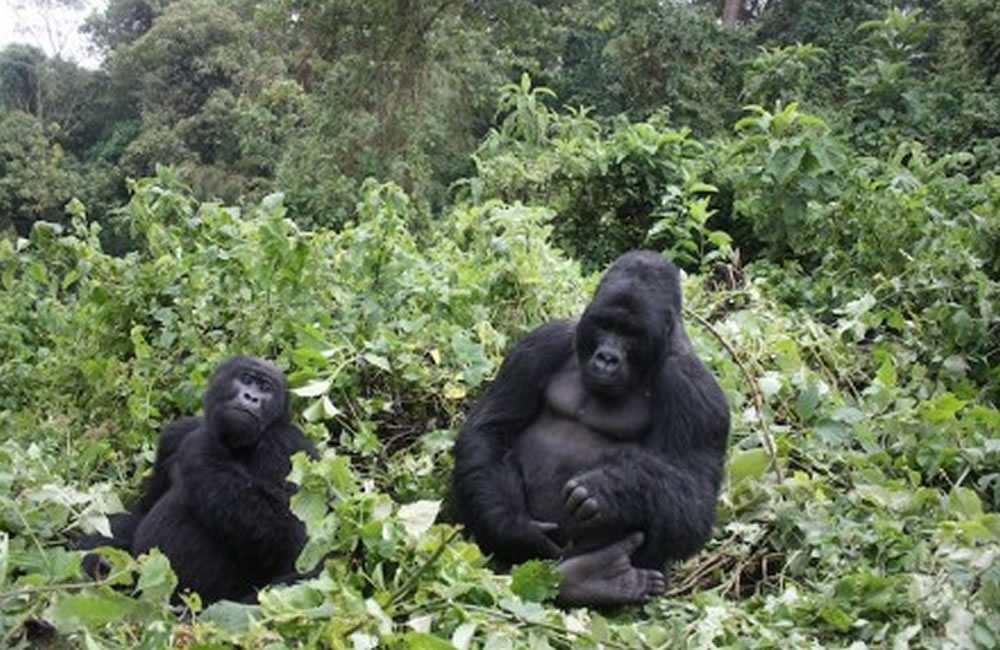
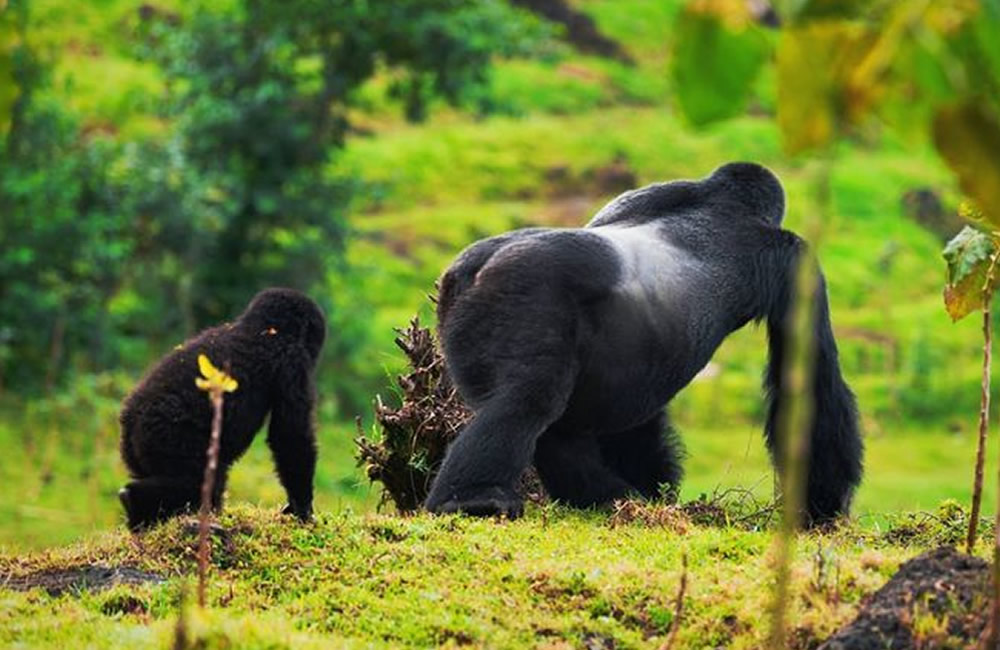
    In the Eastern Democratic Republic of Congo, within the rainforests high on the mountains are the endangered mountain gorillas, one of the most sought-after wildlife species in Africa. These Great Apes live in Virunga National Park, a UNESCO World Heritage Site gazetted in 1925 and sprawling for over 7800 square kilometers. This Park is home to about 200 gorillas mainly occupying the southern region of the Park.

    Gorilla families and available gorilla Permits for the Democratic Republic of Congo

    Virunga National Park is a haven to about 8 habituated gorilla groups that include Bageni, Humba, Kabirizi, Nyakamwe, Rugendo, Lulengo, Munyaga, and Mapuwa, hence only 64 gorilla permits are availed each day for this Park.

    How to book Congo Gorilla Permits

    Congo gorilla permits are the cheapest (when compared with the other two destinations where Great Apes are tracked) and cost only $400 per person per trek. Gorilla Trekking in Congo is, therefore, the ideal destination for budget and adventure travellers who would be interested in travelling off-the-beaten-path. However, due to continuous rebel attacks within the Eastern part of the country, Congo has been considered very unstable and unsafe with the recent kidnap of British visitors (in 2018) and murder of Park rangers leading to the closure of the Park. However, Virunga National Park was eventually opened for tourism in 2019.

    Regardless of the endless fights, instability, and challenges in gorilla conservation, Virunga National Park is still regarded as a wonderful African treasure in addition to being an extraordinary gorilla trekking destination. This Park takes pride in being one of the first National Parks within the African Continent with rich biodiversity and home to some of the most active Volcanoes in the World.

    Congo Gorilla Permits are only issued by ICCN (Institut Congolais pour la Conservation de la Nature) but there are two ways to book for these permits. First, you can book on your own by applying directly to ICCN via the official Virunga National Park website, email, phone, or reaching their Head Offices in Kinshasa. This process is however more cumbersome and frustrating as sometimes it becomes difficult to get to them and even when you do, the reply is not always guaranteed in addition to some permits being set aside for direct sales.

    The second way to book for Congo Gorilla Permits is through a trusted Tour Operator or Travel Agency. A number of Tour Operators in Uganda and Rwanda usually book over 80% of these permits, with visitors charged a commission of ($50-100) for administrative expenses. However, this commission is relinquished when you book the entire gorilla safari with them.

    How gorilla trekking adventures are conducted in Virunga National Park

    Gorilla Trekking in Congo is usually an all-day adventure with an early morning start. A typical day starts at about 7:00 am with registration and orientation at the Bukima Ranger Post. Park trackers always go ahead to find the location of each habituated gorilla group and their general distance from the briefing point. Your level of physical fitness and personal interest will determine which gorilla group you can be assigned to and the length of the trek.

    After the orientation, you will walk or be driven to the starting point where the trek begins at 8:00 am, depending on the exact location of the gorilla group you will be trekking.

    Hike for 1-5 hours before you finally find your assigned gorilla group and in some cases, it takes even the entire day before you reach the gorilla group. The scenery in Virunga National Park is incredibly beautiful and the hike to find mountain gorillas is just part of your experience. Always make sure to move at your comfortable pace and keep hydrated at all times especially at higher altitudes.

    As you start approaching the gorilla group, rangers will request you to leave your bags as you get closer to the gorillas. The moment you make contact, you will be allowed to spend one full hour with the mountain gorillas. You will see them munching on Bamboo shoots, grooming each other, resting, hanging on trees, mating, playing and mothers breastfeeding their young ones. Every gorilla trekking experience in Congo is exceptional thus make use of your one hour to enjoy this once-in-a-lifetime experience.

    Even when gorillas are on the move, you will move along with them as long as you maintain the minimum distance of 7 meters. There are instances of them approaching visitors but don’t feel frightened but instead slowly move back. Your guides are experienced and will be of great help in answering all your questions about the mountain gorillas, the rainforest, and other wildlife and bird species of the Park. These guides intimately know each gorilla group and can even identify each of them by their individual names and personalities.

    How difficult is gorilla trekking?

    Gorilla trekking is generally a physically demanding activity with visitors expected to walk through muddy trails, dense forests, and thickets thus it is important to always be prepared both emotionally and physically. The mist and abrupt or unexpected rains sometimes mean that hikes are slippery and at times muddy. However, porters can be hired to carry your backpack and camera equipment in addition to adding humor and excitement to the adventure.

    Important Gorilla Trekking guidelines in Virunga National Park

    When trekking gorillas in Congo, there is a need to follow the important trekking guidelines issued during a briefing at the Ranger post. Some of these guidelines include following the minimum trekking age limit of 15 years, spending only one hour in the presence of the mountain gorillas after hours of finding them, visiting each habituated gorilla family in a group of not more than 8 persons, maintaining a minimum distance of 7 meters when observing and taking photos of these Great Apes, keeping voices low while trekking or observing them, avoiding the use of flash photography, not drinking, eating or smoking while in the presence of mountain gorillas, first washing hands before embarking on gorilla treks, not littering the forest and keeping any rubbish or food leftovers to yourself and most importantly avoiding direct eye contact with the gorillas.

    Best time for Gorilla Trekking in Congo

    The Democratic Republic of Congo can be visited all year round although the best months to trek gorillas are June to September all the way to February. Most travellers opt to visit these Great Apes when the rain is reduced and the sun is shining through the jungle. December is the busiest month for Virunga National Park and it is prudent to book for the Congo Gorilla Safari. Much as the rainy season affects many plans and engagements, it doesn’t mean that the scheduled gorilla trek will completely not happen. Therefore even during the rainy season, the sun appears after a heavy downpour hence gorilla treks can go on without interruption.

    Safari lodges also offer discounted rates during the rainy/low season as a gesture to attract more visitors.

    What to pack and wear for Congo Gorilla Trekking

    Your typical day of trekking Congo gorillas is long and fairly difficult while mornings and evenings in Virunga National Park are cold. Packing and wearing the right gear/equipment will make your day remarkable and unforgettable. Have a portable backpack for carrying a lunch box, drinking water, and rain jacket during the trek, Strong hiking boots with extra ankle support for muddy and rocky terrain, a long-sleeved shirt for protection from insects, stinging nettles and sunshine, lunch box, long cotton socks, rain jacket, first aid kit with plasters, antiseptic wipes, rehydration sachets, anti-histamine cream and tablets, pair of binoculars, sunglasses, and sunscreen, camera, gardening gloves to protect your hands, a warm sweater for cold mornings and evenings, hiking pants and many others.

    How to get to Virunga National Park

    Virunga National Park is about 19 miles to the west of Goma Town, Eastern Democratic Republic of Congo. Most travellers to this destination usually jet into Kigali International Airport and catch the 4-5 hour road trip to the Goma-Gisenyi border crossing then continue to Virunga the same or the next day. Alternatively, flights can land at Congo’s Goma International Airport then continue by road.