Author: admin

  • Don’t Be A Tourist! Become a Travel Pro with these Simple Tips

    Don’t Be A Tourist! Become a Travel Pro with these Simple Tips

    Traveling for business or for pleasure can be extremely enjoyable.You will have to do your homework though on the right way to plan for traveling. The following article offers excellent advice that can help with your future trips.

    Don’t use public computers in your hotel or anywhere else they offer free internet while you are on vacation. There is something called a keylogger that is tracking your banking information as you type the keys on the computer.

    Be aware of food allergies when visiting a foreign country or new place. If you have had severe reactions to certain foods, it is important for you to learn terminology for words pertaining to foods and their preparation so that you can prevent an allergic reaction. This will give you the ability to alert your waiter or waitress of the foods that you are trying to avoid.

    Do not hope that an airline to cater to your whims when you as comfortable as necessary on a flight. If you really need headphones, a blanket and a pillow to be comfortable while flying, a light blanket and comfortable headphones. You should also think about bringing some snacks so you can have something substantial to eat during your flight.

    You can use it to help keep a door closed as well.

    If you’re traveling somewhere where you’ll need tickets, find out if online tickets are available, and print them beforehand. The small fee per ticket for this service is worth it to avoid long lines. If the park you are visiting has a timed entry, printed tickets can also be used to get around the admission line.

    These sheets can be a flat surface for kids to color on or coloring books on.

    It will be more expensive to just ride into the lot and park.

    Jet Lag

    Jet lag can be uncomfortable for travelers who cross time zones. You can’t completely avoid jet lag, so you should try and sleep as much as possible before you leave. You should also try sleeping during the flight if possible.

    You can’t really lose something written on the mirror using a dry-erase marker because it’s hard to overlook. You can use dry-erase markers will easily wipe off of mirrors with just a little bit of tissue paper.

    Try getting the rate at the hotels when you travel. Some hotels cut locals a local rate on their rooms to decrease unoccupied rooms. If you’re traveling to a place in which you know a person living there, see if they can help you find a good local hotel rate. This can save you save a lot of money.

    If you are flying for several hours, take along non-liquid snacks.

    Plan service stops when going on a road trip. When taking road trips, you can run across long stretches in which there are not many stops or any stops for helping you to maintain or service your vehicle. Plan your route and while doing so look for viable service stations that can fix your vehicle. Keep these numbers handy in case you just in case.

    Prepare in advance and do not procrastinate while traveling. While all the info shared here may not be valid on every trip, some of them will make your travels better.

  • A Day at the Markets of Mandalay

    A Day at the Markets of Mandalay

    Our second hotel in Mandalay, the Sahara, didn’t host the same crazy roof parties as the first but turned out to be a good deal: cheaper yet equally comfortable, closer to the Royal Palace and to the AirAsia shuttle bus. Breakfast here was also remarkable: a bit of continental, a timid tentative of British and, mainly, fantastic noodles and rice. With a full belly we ambled towards the Zegyo Market to dip into the local culture.
    Before we found the market, the market found us: as we were still counting the streets we realized to be surrounded by fruit stalls and busy people hurrying back and forth. What a beautiful mess! It’s difficult to render the extent of the chaos reigning over the narrow alleys of the market with the tidy, rigid structure of a computer font. Bikes and carts were pushing their way through the stalls while pedestrians negotiated the little space left available. Kids were sleeping in wicker baskets, impervious to the bedlam, as their mums communicated with us trading smiles and gestures for pictures.

    We hate the “zoo approach” of tourists in exotic countries so Martina refrained from taking photos of people and only asked them if she could shoot their products. But they insisted that she took photos of them, and of us with them. Some of them also took photos of us and after every snap we showed each others the results laughing like old friends. Unsurprisingly, and to my relief, the fact I was wearing the traditional Longyi attracted lots of favourable attention. I might have looked like a tool to a western eye but most men gave me an approval nod pointing at my knot, as they know how hard it is to master that skill! Also wearing a skirt with that hot weather is incredibly comfortable, who knew!?

    In the afternoon we headed to the jade market, the biggest of its kind in the world and the hub where most of Burmese money is traded every day. It’s probably not a good idea to buy there unless you know exactly what you are doing, as there are lots of fake stones and skilled sellers. Our driver Sean (I don’t know how to spell his name but he liked the idea of being compared to Sean Connery), told us many interesting details on Mandalay and Burmese life as he pedalled us in his trishaw along the dusty roads. A trishaw is an old Chinese bike with a hand-made sidecar attached, it can be very heavy – I couldn’t lift one – but they’re much smoother to ride than expected. I pushed Sean and Martina for a few blocks without a drop of sweat (maybe just a little bit), even though it was quite hard to control.

    It’s quite a long way to the market so we stopped to give Sean a break at the Shwenandaw monastery. The building is incredible, all made of teak, carved with a meticulous care for details and, despite being the most beautiful thing we had seen in Mandalay thus far, it was completely deserted. Just the two of us, not a tourist, not a monk…not even Sean.

    We finally arrived at the market after its activity had reached the peak: people were leaving, stalls were emptying, only few were still working the stones while the majority was busy discussing the day’s business and gambling. It’s interesting to see how gems are crafted with rudimentary tools and precise skills. There are some dodgy characters around giving the market an interesting shady vibe, without feeling threatening. More for locals than tourists, as a matter of fact – once more – we were the only tourists around.

    Back to the hotel we waved goodbye to Sean, he’s a really good man and I would suggest anyone to take a trip with him. You’ll find him stationed next to the Hotel Sahara entrance.
    We started walking towards the Kywe Zoon Jetty which is where the ferry to Bagan departs but also, according to the guide, offers a majestic show on sunset with the water buffaloes dragging logs across the calm waters of the Ayeyarwady river. With the disappointing Icelandic seals still vivid in our memories we didn’t expect any buffalo. In fact we didn’t see any, but the spectacle still exceeded our expectations. In an almost surreal scenario, from our vantage point above the river banks we could see the lives of those dwelling in bamboo huts washed by the ocher light of the evening.

    Again the darkness surprised us, it seems that in Myanmar the passage between day and night is less gradual. The idea of walking the 22nd road back in such condition was not the most appealing but one thing one never needs to worry about in Mandalay is finding a mean of transportation. In 15 minutes we were back to our hotel, after an exhilarating ride on two scooters, whizzing in the rush hour traffic.

  • DIY Amusement Park and Osteria: Ai Pioppi

    DIY Amusement Park and Osteria: Ai Pioppi

    The first time I heard of this place it was via a long and twisted connection. A Spanish colleague, living in Scotland, sent me an article, from an American magazine, about some special place in Italy, little more than 1 hour drive from Martina’s home town.

    It sounded so amazing we were surprised not to have heard about it, despite having lived nearby for more than 20 years. But this is a painful proof of how little we know sometimes of what surrounds the place where we live.
    So, in occasion of a visit to Italy, we jumped on a car and drove to Nervesa della Battaglia, the location of “ai Pioppi“, the legendary and secretive osteria.

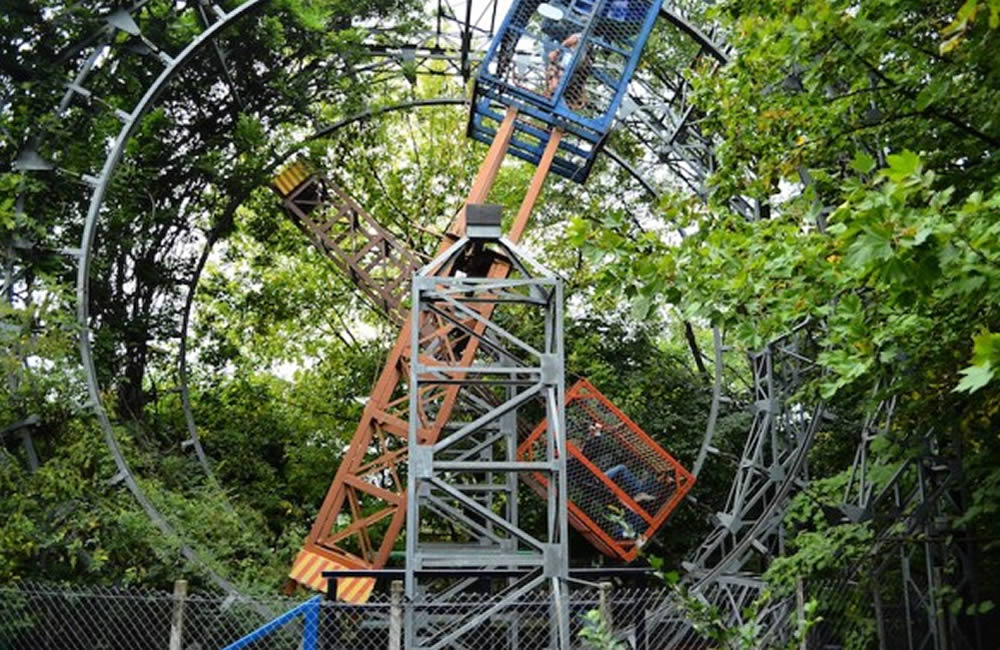
    But what is so special about it? Is it the simple but tasty traditional food? Or the relaxed and festive atmosphere of the outdoor area? Yes, sure, all of that, but what dragged us there all the way from Sheffield is its amusement park. During the past 45 years signor Bruno, the restaurant and land owner, spent his spare time building an amusement park in the forest he calls his garden. This is probably what people did before the Internet.

    And I’m not talking about some DIY swings and slides, I’m talking proper roller-coasters. The park is big and the rides are partially concealed in the trees, so that you are never quite sure of the size of it. Sure it is impressive and, thinking that it has been single-handedly built by a hobbyist it’s rather unbelievable.
    Even the most hazardous attraction is not powered by electricity: you have to push or pedal your way to the top and let gravity do the rest. If you don’t dare that much there are also simpler rides… even though climbing a 10m high slide or hurling yourself down a slope sitting on a little unstable metal sheet might be pretty hair-raising.

    How can Ai Pioppi be still open is a mystery to me. Maybe it’s because the park is private property and people use the attractions at their own risk, maybe it’s some loophole in the Italian legislation or the generally lax attitude and subjective interpretation of laws, that this time turned a blind eye on this free-for-all clever creation and not to the usual multi-millionaire developers.

    This park seems to be located in another era. It can be reached only by car (or by bike) in an area that is not densely populated and very green. Town and street names are suggestive reminders of war, mapping like scars the whole territory.

    Here in a rare place where fun comes without electricity, mobile phones are forgotten in their pockets and adults forget to be adults competing with children on the metallic colourful creations of Bruno.

  • Citybike Wien: Vienna’s bike rental scheme

    Vienna’s own citybike is an ideal way to explore the city: it’s cheaper than the public transport and, given the reduced size of the city, a very fast way to move around. It takes little more than 30 minutes to go from Museum Quarter to the Prater, and a ride along the canal, admiring the graffiti all the way to Hundertwasser’s waste incineration plant, is highly recommended.

    A wise choice

    The best thing to do is to sign up in advance online. You’ll have to register on their website, providing your credit/debit card details. Once you’ve done that you’ll have an account number and a password (pro tip: choose a short password!).

    If you don’t do that you can always register at any Citybike Terminal, but you’ll still need a card.

    How to use Citybike Wien

    Citybike Vienna logoTo pick up a bike you’ll have to insert your card in the terminal, select one of the bikes available and digit the password. To return it you’ll simply have to put the bike back in an empty slot, until the light on the bikebox is steady green.
    Although the service is great, the stations are not exactly around every other corner and not always have enough bikes or empty slots. If the station is empty (or it’s full and you’re trying to return your bike) you can check on the terminal the nearest stations available.

    How much is for the bike rental?

    The registration fee is just 1 euro and the 1st hour of every ride is free of charge. In order to “reset” your free hour you’ll have to wait 15 minutes after depositing the bike. If you keep a bike for longer than that you will be charged a hourly rate:


    (rates might vary, double check the official site first: www.citybikewien.at)

    Other options

    If you don’t want to hop from one Citybike station to another or simply want to use a different bike, there are plenty of private bike rental options in Vienna.
    We suggest you to get in touch with the guys at Brillantengrund: a great hotel, a Filipino restaurant and also bike rental.

  • Getting Around Berlin

    We arrived to Berlin pretty clueless. We had a couple of itineraries worked out of a Lonely Planet, a beautiful crumpled map, and a couple of reservations. Nothing more. Let’s call it a good half way between a perfectly scheduled holiday and a wild break. So, we roughly knew what to do but we didn’t know how to do it.

    After my second visit I wrote a simple and clear guide to the best solutions for travel cards in Berlin. But here’s some useful info that we would have loved to know after landing in Berlin:

    How to reach Berlin form Schönefeld

    The RE7 train from Schönefeld Airport goes directly to Ostbanhof in little more than 20 minutes, the train platform can be reached leaving the airport building and following the covered path to the left hand side (Berlin Schönefeld Airport Map). More info on tickets and rates can be found on the vbb.de website. Alternatively the lines S45 and S9 reach other strategical part of town… check the Berlin Transport Network Map (PDF) for more details.
    Right outside the airport building there’s a bus stop, the line 171 goes to Neukölln all the way to Hermannstrasse (S47, S41/42, U8).
    Buying a pass for the AB areas will require the purchase of an extension ticket for zone C (where the airport is).

    U-Bahn and S-Bahn

    Public transport in Berlin is ridiculously efficient, which is not too surprising knowing we’re in Germany. U-Bahn, S-Bahn, busses and tram quickly connect virtually every corner of the city. The U-Bahn is the classic underground line while S-Bahn is the overground train. The underground looks like it’s a bit overkill for the amount of people using it, at least compared to the London Tube, so you are quite unlikely to travel with your face smashed on the window. But if you’re not in a hurry is better to choose overground transport and look around, as we learnt that Berlin is plenty of little details to offer, amusing eyes and heart of the visitor, from the ubiquitous street art to the fascinating architecture… it’s impossible to list them all so sit back and enjoy the show.
    Bus and tram lines however can be sometimes more efficient than the underground trains, cutting lots of time for walking to the metro station and eventually changing line. For this I always check the journey planner before leaving home. If your smartphone is better than mine and you can actually use it, then you might be interested in Öffi, the public transport app, available for android.

    CityTourCard

    Obviously there are convenient options for visitors (which they’re kind enough not to call “tourists”). Despite being usually averse to this kind of offers we opted for the “CityTourCard” that can be easily purchased form the automatic vending machines at any station. For less than €30.00 we got 5 days of unlimited travel, discounts on museums and other attractions, and peace of mind. It also comes in the 48 and 72 hours versions. This is what you get: CityTourCard Discounts (PDF)
    With some careful calculations and some extra walking we could have probably saved money, but I honestly don’t think it’s worth it, unless you rent a bike… which was not an option when we visited the city in December!

  • 10 of the Most Beautiful Places in Marrakech

    10 of the Most Beautiful Places in Marrakech

    Like many North African cities, the Moroccan city of Marrakech is steeped in history, comprising as it is of an ancient fortified city and a modern adjacent city. This comfortable combination of ancient traditionalism and modern developments means that tourists will be in their element when seeking some of the city’s most sumptuous eye candy.

    Here, I draw upon my own experience of holidays in Marrakech in this two part series dedicated to some of the most visually gorgeous Marrakech attractions to see during Marrakech holidays. In no particular order, here are ten Marrakech must-see’s.

    1. El Bahia Palace

    Apparently, the name of this palace, built between 1894 and 1900, translates to ‘palace of the beautiful’ – and it certainly lives up to its name. Sadly, you won’t find Monica Bellucci here, at one of the premier Marrakech landmarks, but you will see plenty of water features, stucco panels, tiled floors, smooth arches, an eight-hectare garden surrounding the palace, plus a lot more. Just be sure to employ a guide, so that you don’t get lost.

    2. Ali ben Youssef Medersa and Mosque

    As Marrakech historical sites go, the Medersa, a former Islamic college, really does offer one of the most amazing feasts for the eyes with its plentiful art and architecture. You will, for instance, see plenty of carved cedarwood and colourful zellij tiles in the courtyard, while the interior of the prayer hall is covered in pine cone and palm motifs.

    The Mosque, another of the truly significant Marrakech heritage sites, is similarly worth a look, though it is only open to Muslims.

    3. Majorelle Garden

    You can expect a slightly higher entrance fee here than with many Marrakech attractions, but trust me – it’s worth it! The sheer variety of plants on display, many of which you probably never would have seen before, is truly awe-inspiring.

    You will probably never see so many different types of cactus plants in the same place ever again in your entire life. You should definitely arrive early, however, as the crowds appearing later can be annoying during any Marrakech holidays.

    4. Museum of Islamic Art

    You will see a lot to marvel here even before you get inside the thing. Not only is it based in the lovely Majorelle Garden (see above), it is based in a house quite unlike any in the city, boasting as it does a blue and yellow colour scheme and ornate windows. The exhibits themselves, many dating back hundreds of years, include carpets, jewellery, paintings and pottery, making the Museum of Islamic Art one of the most intriguing Marrakech heritage sites to visit during Marrakech tours.

    5. Atlas Mountains

    Though you will need to embark on an hour’s drive to see these up close, they can nonetheless be seen from several places in Marrakech, since they hover in the sky above the city’s pink defensive walls. The entire mountain range spans about 1,500 miles through Morocco, Algeria and Tunisia, but only the High Atlas subrange, often coated in snow during the winter months, is visible from Marrakech.

    6. Djemma el Fna (Jemaa el Fna)

    A place of both beautiful sights and sounds, any respectable Marrakech tours have to include a stop here. At night, it is populated by musicians, dancers and story tellers; by day, you can expect to see snake charmers and people with monkeys.

    You should also find stalls there at any time of the day, selling all kinds of stuff – so you can get a bite to eat while you are watching any of the shows, among the most exciting things to do when on holiday in Marrakech. Just remember to pay to watch them.

    7. Marrakech Souks

    This is a very colourful place – literally, as well as metaphorically. It is basically the main market place of Marrakech, where you can purchase almost anything – food, clothes, cutlery… you get the gist. Try your best to haggle for good prices – though, in my experience, you will probably still end up paying more for goods here than a native would. Those seeking mainly shopping-oriented Marrakech holidays should make this place their first port of call.

    8. Saadian Tombs

    These date from the time of sultan Ahmad al-Mansur (reigned 1578-1603), but were only discovered in 1917 after being left untouched for centuries. Befitting the name, you can find the graves of about sixty members of the Saadi royal dynasty that ruled Morocco in the late sixteenth and early seventeenth centuries. The real visual delights here are in the Italian Carrara marble monuments and the gorgeous decoration of the tombs.

    9. El Badi Palace

    This building, originally constructed in 1578, these days lies in ruins, and is clearly more accustomed to housing stray cats than Moroccan royalty. However, it isn’t difficult to imagine how truly majestic it must have looked prior to being torn apart by Alaouite sultan Moulay Ismail. It remains one of the most fascinating Marrakech historical sites, and exploring it remains one of the most riveting things to do in Marrakech.

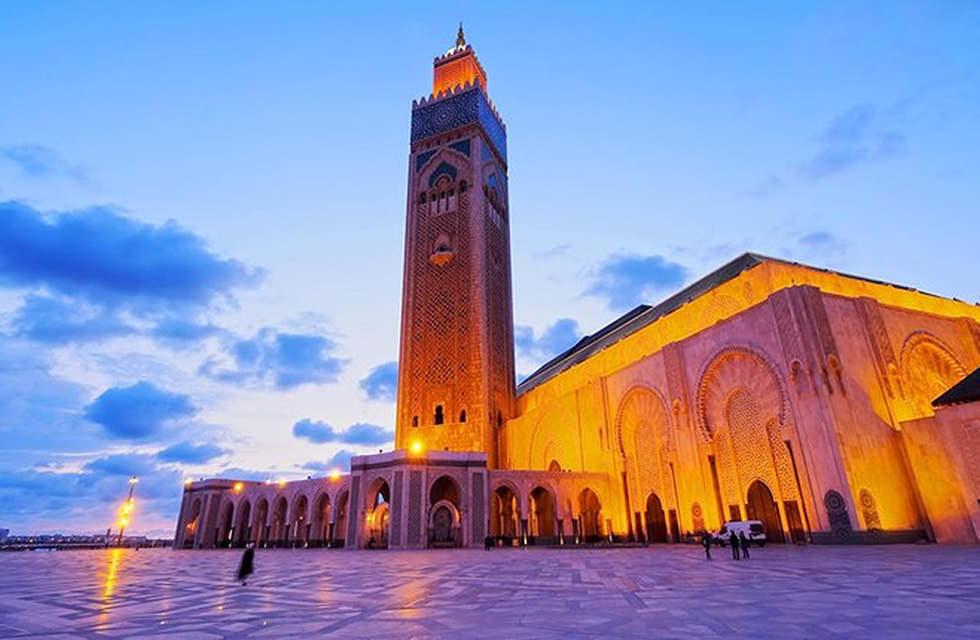
    10. Koutoubia Mosque

    Though named after the booksellers market previously located here, it is fair to say that this, one of the most imposing Marrakech landmarks, is much more aesthetically pleasing than any pile of books. In fact, the minaret of the mosque has often been likened to the Eiffel Tower in Paris – and, like that monument, it looks even more beautiful when lit at night. Getting a photo of yourself and your fellow travellers in front of this is one of the truly essential things to do in Marrakech.

  • How to Prepare for Tent Camping

    How to Prepare for Tent Camping

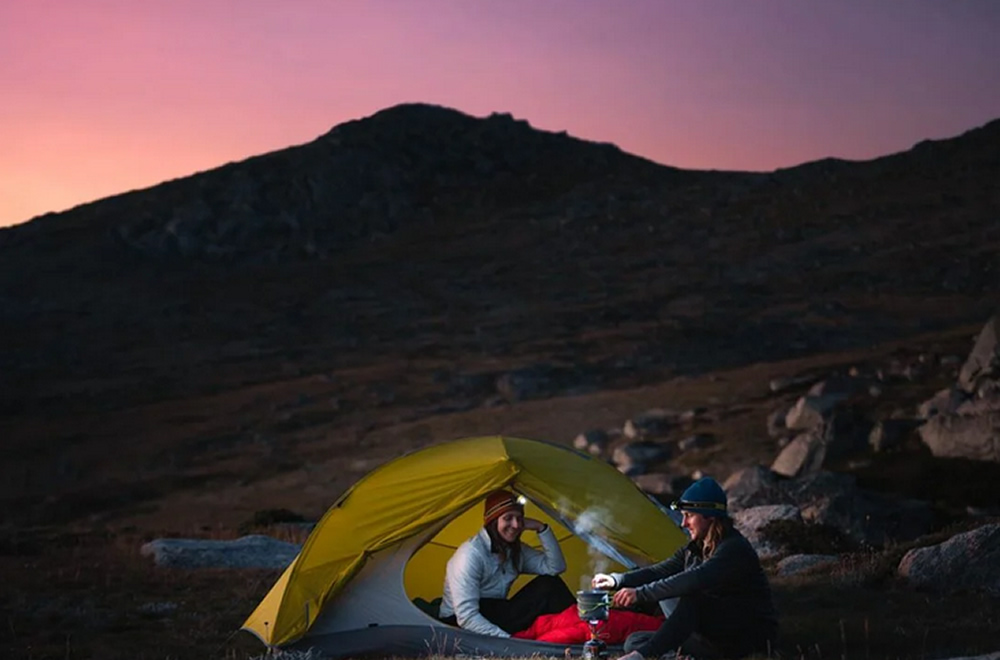
    With spending money shrinking due to a poor economy, it is no surprise that there is an increase in the inexpensive vacation tent camping. Compared to a theme park or exotic vacations, tent camping is very affordable. The initial costs may add up but remember you will get many uses out of most items like tents, sleeping bags, grills, pots, and dishes (don’t use paper or plastic).  Because of this, throughout the United States, campgrounds have seen a 10% increase in rentals. Many rentals being new first time campers, excited about their camping adventure, and many inexperienced campers arrive unprepared.

    Not being prepared for tent camping does not mean forgetting a dc operated TV/VCR, but rather forgetting tent stakes, sleeping bags and other appropriate gear, which could lead tent campers to sleeping in the car and bumming food of neighbor tent campers.  The key to making tent camping fun is simple, allow nature and the surroundings to provide the entertainment while being prepared for the environment.  Regional campgrounds all have their own unique climate and surrounding weather features. Prepared camping means having the proper shelter, attire and food preparation. Consider the following before choosing tent camping as your low-budget eco-friendly vacation option:

    Tent – Buying a tent does not have to cost a lot. Consider buying camping tents built for the worst weather conditions. Fireproof, easy assembly, storage areas, head room, and comfortable space are all factors to look for when buying a new tent. There is always compromises when deciding on a new purchase. Match your camping comfort levels with the camping areas you plan to visit.

    Sleeping Bag – Top notch sleeping bags are not always the nessesary purchase. As nice as it seems most of the time you over do it. Most people need a medium size sleeping bag. The thickness is very important. Heavy sleeping bags cause nights of tossing, turning, and sweating like a pig in hot nights. Light sleeping bags cause you to seek additional warmth. How do you sleep at home? Is your bedroom hot, warm, or cool? What do you use for blankets? Take those answers and determine the thickness and size of your new sleeping bag. I personally need a sleeping bag that was light. My body tends to adjust well to my surrounding temperatures, and I sleep better in cooler areas. I’d rather put on an extra blanket or snuggle close, than sweat all night.

    Emergency First-Aid Kit – The bigger the better. You want it to be full. When putting together your initial first-aid kit it is a good idea to purchase a complete kit. Make sure you have a complete list of the contents in the first-aid kit. Every time you get home from your camping trips do a complete inventory. Remember any allergy medications, sun tan lotions, citronella or insect deterrent and snake bite kits. (Of course we recommend all natural products. They should be either homemade or purchased from a natural substance store. We also like to recommend a citronella plant. These plants work very very  well.)

    Outdoor Clothing – My number one recommendation for outdoor clothing would be a pair of cargo pant with a detachable lower leg. Very Nice! Cargo pants and cargo shorts is always great, but with cargos you get extra weight and bulk. Not everyone is comfortable in bulky shorts. Comfort level is again important. It is a very nice convenience to have extra pockets when you are hiking or around the campsite. Shoes are another important consideration. If you plan on doing any hiking, please do yourself a favor and buy hiking boots. Then consider your sneakers, shower sandals, flip-flops, or moccasins.

    Food and Drink – #1 fresh water. Make sure you have plenty of drinkable water. Use boiled water for dishes. (hint: bring a pot to put on a fire). Bring plenty of food. Plan every meal. Remember the mountain pie makers, bread, pizza and pie fillings. Nuts (maybe in a trail mix) are a very good idea also. Remember you also don’t want to over do it. Storage has to be considered. You don’t want bears and coons!

    Maps – You want to know where you are at right. GPS is great but maps are cheaper. Plus, add a compass and still save hundreds of dollars. If you don’t want to be wandering around in circles find maps of camping area grounds including trails and features. Make sure you can read it and understand it before buying maps. You should be able to find one that you can follow.

    Being prepared not only means having the proper materials, but also having a proper knowledge of the campground’s environment and its features. Beware that there are wild animals you don’t want to attract.

    If you have any suggestions of “camping must haves”,  please share with us by leaving a comment  below.

  • Travel Anywhere You’d Like With These Tips

    Travel Anywhere You’d Like With These Tips

    Travel is a great way people learn more about the world and themselves.Travel affords individuals the chance to learn about distant lands while getting away from the routines and trials of daily grind.

    Use the ATM when you are in the local currency.Banks get better exchange rates for exchanging currencies than you may get. This can save a considerable amount of money for you some money.

    Be wise about food allergies when visiting a foreign country in order to avoid bad liaisons. If you suffer from severe food allergies, you must become fluent in the words the natives use when it comes to their food. This will allow you to communicate to others what foods you have an allergy to so that they can be kept out of your meals.

    The less things you have with you, the less likely you will lose valuable items or have them stolen.

    Make sure you have clothespins with you when travelling. They can be a useful item when you go on a trip, but they actually can prove to be very useful.

    When to travel by plane or car with a toddler, it is important to have enough interesting things with you to occupy your toddler during the long trip. Bring toys and hassle. You can also buy a few new toys for the travel because this will offer him enough distraction to keep him busy.

    When traveling by air, it is important to wear shoes that are comfortable and easily removable. You are going to have to remove them off at the security checks. Sandals or flip-flops are best for air travel.

    You could be covered in the event of a flight is canceled. It pays to conduct some research before you leave.

    A motorcycle provides an excellent travel method for day trips or road trips if a wonderful way to travel.It can be awesome to travel by motorcycle.

    Sometimes you will end up in a less than nice hotel. Bring a rubber doorstop for safety.You can use this under your room door at night to add security beyond the chain and lock.

    Most automobile rental companies require the minimum age to be at least 18 years old, and some do not rent to those under 25. You may pay more and have to use a credit card with you. There are some cities that do not allow seniors from renting cars. Find out about age restrictions when reserving a rental car.

    You can also write on the mirror.You can use dry-erase markers and easily wipe off of mirrors with just a little bit of tissue paper.

    Your dream vacation can go horribly wrong if not carefully planned. Read online reviews on the web from others who have stayed there before. Their experience can help you choose hotels and avoid staying in a dangerous town or seedy hotel.

    Travel offers you a way to lean about different cultures and people groups. By using the tips shared above, any traveler can have a great journey.

  • How To Find Culturally Unique Travel Ideas

    How To Find Culturally Unique Travel Ideas

    If you’re looking to get away from it all with a trip away from home, don’t forget to travel smart. A mishap, mistake or forgotten item can ruin a vacation as surely as bad weather or an unpleasant travel companion. While there are some things you just can’t control, maximize your chances of having a good trip with the following travel tips.

    To really get a feel for where you are vacationing, follow the locals. Many top vacation spots start to feel very generic and touristy. By asking around and finding where the people who live there hang out, you will get a more authentic feel for the area, and as a bonus, avoid the price markups that plague tourist hot spots.

    Use plenty of plastic when packing. Putting your clothes, toiletries, and other items in clear plastic bags is always a smart way to pack when traveling. Not only does it help you organize, it also keeps your possessions safe. If the bag should be exposed to the elements on the tarmac, the contents of your bag will stay dry.

    If you pack electronics while traveling, either remove the batteries or flip them around. Some small electronics can be easily flipped on. You definitely do not want them flipping on in your bag during the trip. There is a good chance the battery might be drained by the time they are unpacked.

    Consider mailing souvenirs home. Everyone loves souvenirs, but sometimes you can wind up with one too many while traveling. If all the things you have accumulated on your vacation won’t fit in your suitcase for the return trip, you can always mail them home. Usually, you will make it home before your trinkets do.

    Make sure your house does not look vacant while you are away. Coming home to find that you have been robbed would be a nightmare. If you intend to be gone for a considerable length of time, consider redirecting or having a friend pick up your mail for you.

    When planning to travel to a country that uses a very different language or even alphabet than your own, it’s a good idea to get precise, up to date information about exactly how to travel to hotel bookings or sites of interest ahead of time. Often, maps or travel guides won’t go into the amount of detail necessary, so make sure to have a custom map which shows everything you’ll need.

    Now that you’ve read the above travel tips, you’re more prepared to meet your travel destiny with the fearlessness of thorough preparation. Keeping these few simple things in mind whenever you leave home on a trip will give you more peace of mind and make sure you bring home more stories about great experiences rather than about stressful learning experiences.

  • Getting Around Britain: Travelling in the UK on the Cheap

    Getting Around Britain: Travelling in the UK on the Cheap

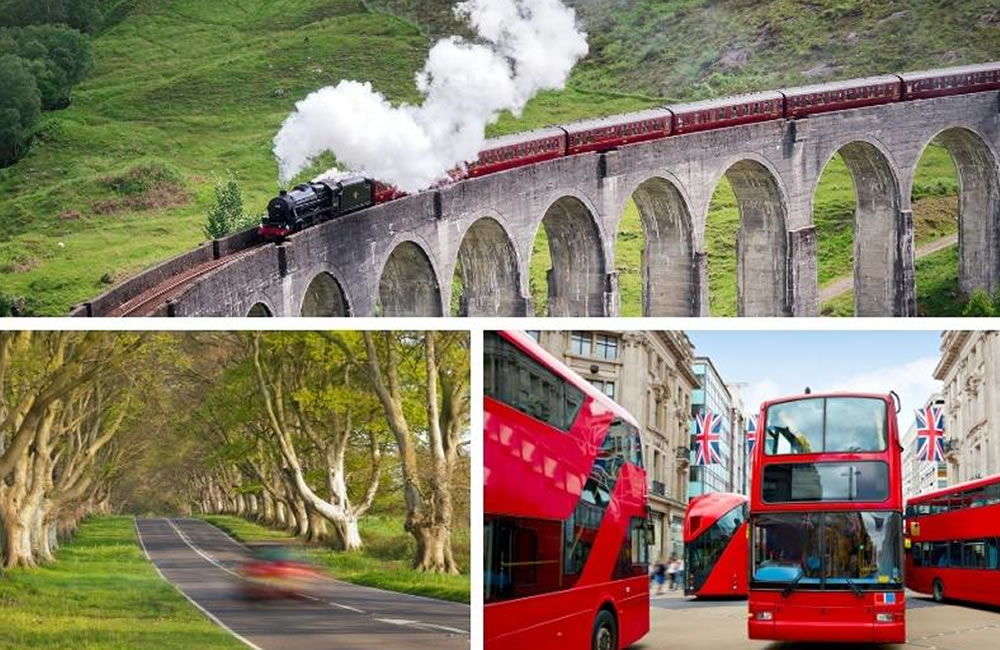
    England, or more generally and correctly speaking, the United Kingdom of Great Britain, is famed to be a very expensive country. Nowadays this is no longer true, especially for people coming from Europe. However for some aspects and services, prices are still above the average.
    Having a look at the trains and hotels rates should would give you an idea of what I’m talking about. Fortunately though, in Britain is relatively easy to save money on special deals, as long as you carefully follow a few tips.

    Let’s the best ways to travel around Britain and how to save money in the process:

    Bus

    The bus services, mainly operated by the national company (National Express) cover the whole country and it’s usually the cheapest way to travel. Booking with few days in advance, an off-peak bus trip across the country might cost £5.

    Other companies offer local services, some of them are the low-cost company in the bus world: Megabus might take you from London to Bristol for just £1! Although it’s quite unlikely to find the £1 fare, you can easily find the cheapest tickets on the market.

    Train

    If you don’t have time to cruise around on a bus, the train is your option. Very efficient and nearly always on schedule (but I’m from Italy so the standards I’m used to are quite low…), they’re fast as a bullet: London-Manchester in 2 hours and few minutes, but also very expensive.

    Don’t be scared of the standard rates, as there are many ways to save money.
    First thing: book in advance. I know it’s not always possible, but this will help you saving money. Second: travel off-peak, this will save you not just money but also the discomfort of travelling on a train packed with unhappy commuters.

    Your bargain research should start from the National Rail website, if nothing can be found here  you can use one of those rate comparison websites (like Skyscanner for trains). I usually go to these:

    www.thetrainline.com
    www.mytrainticket.co.uk

    It’s also worth checking the Virgin trains website looking for special offers: www.virgintrains.co.uk

    Car Hire

    When travelling off the rail tracks, or for a wild ride in the countryside, hiring a car can be a good option. Car rentals are very affordable in the UK. With Enterprise I usually rent one for little more than £30 a day, or about £60 for the whole weekend. A small car runs on a £13-15 per 100 miles, so if travelling in a party of 3-5 people can be very convenient.

    Airport

    With no doubts the most complicated city in the UK, in terms of airport transfers, is London.

    Which airport are you flying to and from? What’s the best way to get there, bus, train, tube, taxi…? To avoid getting lost in the maze of airports and options check the guides to London airports: