Category: Africa

  • The 5 Best Uganda National Parks

    Uganda has several national parks that are great for self-drivers:

    Kibale National Park

    Kibale National Park is a top destination for primate enthusiasts, as it’s home to one of the largest populations of chimpanzees in the world. Located in western Uganda, the park also offers rich biodiversity, including several other primates, birds, and wildlife. While chimpanzee trekking requires a guide, self-driving within the park is possible and gives you the freedom to explore other areas, such as the scenic Crater Lakes region.

    Kibale’s roads are generally in good condition, but some of the routes to the main trailheads can be rough. A 4×4 vehicle is recommended for the best experience. Self-driving allows you to enjoy the peaceful environment, visit the nearby Bigodi Wetland Sanctuary for bird watching, and take in the park’s natural beauty at your own pace.

    Kidepo Valley National Park

    Kidepo Valley National Park is one of Uganda’s most remote and rugged parks, offering a truly wild and untouched safari experience. Located in northeastern Uganda, the park is known for its savannah landscapes, rolling hills, and abundant wildlife, including lions, elephants, cheetahs, and buffaloes.

    The roads to Kidepo can be rough, and it’s a long drive from Kampala, so a 4×4 vehicle is essential. However, once you reach the park, the roads are generally passable, and self-driving allows you to explore the stunning landscapes and spot wildlife at your own pace. Kidepo is one of Uganda’s least-visited parks, giving you the chance to experience nature in its purest form, away from the crowds.

    Bwindi Impenetrable National Park

    Bwindi Impenetrable National Park is world-famous for its gorilla trekking, but it’s also a fantastic park for self-driving. Located in southwestern Uganda, Bwindi is a UNESCO World Heritage Site known for its dense forests, which are home to nearly half of the world’s remaining mountain gorillas.

    The roads to Bwindi are mostly unpaved and can be bumpy, so a 4×4 vehicle is necessary. Once you reach the park, you can drive to different trailheads for gorilla trekking or explore the surrounding areas. While gorilla trekking requires a guide, self-driving lets you enjoy the scenic beauty of Bwindi and the surrounding hills.


  • The Unforgettable Lamu Festivals

    Lamu town is one of the unique heritage places where modernity and ancient practices come to balances. The Lamu Island has a mystical history that is portrayed by is medieval structures. Previously the island was a trading centre where slaves and other trading goods were exchanged.

    With over 700 years of continues settlement Lamu has withstand the change that come with Modernity. The old town was first settled in 14 century by Swahili and over the years the Portuguese, Turkish and Arabs have their cultural influence. Although these settlers have left their mark, the town has gained its own culture and heritages. In 2001 the town was named as one of the World heritage. The most amazing thing is that there is no vehicle in the town. Donkeys are the major form of transport in the town and dhow are used for external transport from the island.
    Each year the town comes to light with the festivals. The celebration is an inception of the past and the present practices. The beat of the Africa drum is heard from every corner. The Swahili flute and the shakers provide a wonderful rhythm. The best competitors prepare for different races.

    Some of the competitions include;

    • Donkey race
    • Dhow races
    • Cart pulling race
    • Swimming
    • Dancing

    The most outstanding is the donkey and dhow races. The donkey race though not easy involves races around the town. The Lamu Cultural festival is a wonderful opportunity to experience the island’s unspoiled beaches, medieval ambiance, architecturally magnificent Old Town, gracious population, and traditions of an enchanted island where history continues to live.
    Although the southern wind creates the tide in different time of the year, the Trade winds from the north are less fierce in the month of September. As a result the wonderful beach become so approachable that even a number of dolphins can be seen.

    A visit to the Lamu Archipelago will make your experience memorable, especially the Unforgettable Lamu Festivals

  • Tips To Ensure Fair Car Rental Prices In Uganda

    Tips To Ensure Fair Car Rental Prices In Uganda

    Saving money on a road trip is everyone’s desire, as it allows you to meet other expenses on your vacation. The Uganda car rental prices often go up more than expected, yet your budget can be too tight. But luckily, there are a few tips to ensure you earn fair car rental prices in Uganda. The various tips to ensure fair car rental prices are ideal for all travelers with plans to explore Uganda, the Pearl of Africa.

    First things first, here is what you need to understand about car rental prices/costs

    Basic rental prices/rates: The basic rental rate is the key cost of hiring a car. Many factors influence this rate, including the size and type of the car. The age of the car is where newer rental cars tend to have higher rental rates. The duration of car hire –long-term car hire often comes with discounted offers.

    Additional charges: These usually arise from a number of factors, including airport surcharges. The car hire company usually charges an extra fee for airport pickup and drop-offs. Before you make a decision to hire a car from any company, first, you need to know if there are any hidden or additional charges. Insurance fees –well, while most car hire agencies or companies do provide comprehensive insurance, be aware of some that don’t.

    Fuel policies –these vary from company to company and must be understood from the first day of making a reservation. Get to know the policy the car hire agency offers is it a full-to-full or pre-paid fuel option?

    Optional extras –try as much as you can to avoid additional expenses like hiring a GPS navigation system or child seat. You can come along with some of these items to avoid any extra costs.

    Useful tips for saving money on car rental

    Booking strategy to consider;

    Book a car in advance. Early bird discounts are available for visitors who consider securing their rides in advance.

    Last-minute deals: Ensure that you keep following your car hire agency for any last-minute deals or promotions. These are available during the off-months of the year.

    Travel during the off-peak months. The low season is the perfect period to travel to Uganda if you want to have a fair rate on car rental services.

    Choose the right car hire company.

    Yes, there are multiple car rental companies to book a vehicle in Uganda but ensure that you deal with a reputable and reliable agency. Consider checking the rates offered by the car hire agency. What makes us different from the rest of the car rental agencies is our competitive rates, flexible rental options, reliable services, and easy booking process.

    Learn to negotiate for better prices.

    You must be a good negotiator to earn a fair car rental rate in Uganda. Key considerations include timing your rental –off months of the year are the best for you to stage a negotiation with the car hire company or agency. Loyalty programs- feel free to join any of the loyalty programs as they come with points and discounts on future car hire. Negotiation tactics –try as much as you can to be polite and firm when negotiating for better offers with an agent.

    Fuel efficiency

    Fuel is usually the key factor with a higher influence on the rate of car hire. To save on fuel, ensure that you book a fuel-efficient car.

    Avoid additional expenses

    When hiring a car, be aware of the extra or additional charges/fees. These include airport surcharges, young driver fees, and one-way rental charges.

    Insurance

    Book a rental car with a comprehensive insurance cover. Insurance cover saves you from several expenses, and when hiring a car, try as much as you cannot embark on a road trip without inquiring if the car is insured.

    Conduct thorough research

    Make the best of the internet to search for car hire companies with better rates. In the process of searching, make a comparison to see which agency offers competitive rates. Not to search any further, contact our reservation team to guide you to secure the best ride at an affordable rate.

    Conclusively, it is possible to earn a fair rate on car hire in Uganda. What is essential is to follow a few steps and tips. With the above tips to ensure fair car rental prices, expect to have a memorable road trip in Uganda.


  • Cultural Safaris in Kenya

    Cultural Safaris in Kenya

    Located in the eastern part of the African continent, Kenya is one of the best destinations to visit for cultural encounters. Cultural safaris offer travelers a unique opportunity to go beyond the traditional wildlife experience and immerse themselves in the country’s rich heritage. With over 40 ethnic groups, Kenya is a vibrant composition of traditions, music, dances, art, and ways of life that have been preserved for generations.

    These safaris enable visitors to interact with communities such as the Maasai, Samburu, Turkana, and Swahili, gaining first-hand insights into their customs, crafts, cuisine, and stories. From visiting Maasai homesteads and witnessing traditional ceremonies to exploring the coastal Swahili culture in Lamu and Mombasa, cultural safaris showcase the heart and soul of Kenya. They are not only enriching and educational but also support local communities, making them an essential part of a well-rounded Kenyan adventure. Kenya is diverse in languages with about forty of them divided into three communities the Maasai, Samburu, and Turkana.  These three communities can be described briefly as;

    1. The Maasai

    The Maasai are traditionally semi-nomadic and entirely dependent on their livestock. Recently, they tend to be fairly dormant, occupying small settlements of 8-15 houses protected by thorn bushes or fencing.

    Livestock, including goats and sheep but especially cattle, are the primary source of income for the Maasai. A visit to the Maasai Mara villages can be customized with a Kenya safari to Masai Mara Game Reserve, which is popular for the annual wildebeest migration.

    1. The Samburu

    The Samburu are closely related to the Maasai. Both arrived in Kenya from the upper Nile region in present-day South Sudan in the 16th and 17th centuries, and they speak a common language – Maa. The traditional Samburu diet consists of milk and blood extracted from their cows.

    Meat is only served on special occasions. Dancing plays a significant role in Samburu culture and is similar to that of the Maasai people, with men dancing in a circle and jumping high from a standing position. Participating in this dance is such an amazing experience, though very challenging.

    1. The Turkana

    The Turkana are an important pastoral community in northern Kenya. Like other herders, they traditionally lived a nomadic life, always moving from one place to another depending on the availability of pasture and water for their animals.

    Although trading and employment are increasingly important (many Turkana men work in the security services or as guards and night watchmen), the old cattle culture is still vitally important. Fishing is also a major source of food for those living close to Lake Turkana.

    Top cultural events you wouldn’t miss in Kenya

    If you want to experience the uniqueness and hospitality of the Kenyan culture, then these festivals are part of what you can choose to attend while in Kenya.

    Safari Rally

    The Safari Rally is one of the most popular events in the Kenyan calendar, with both the young and old alike. Since its onset in 1953 in honor of Queen Elizabeth, the KCB Safari Rally is an internationally acclaimed event and a significant part of Kenya’s history.

    It is a sport loved by the Kenyan people and draws the attention of people of different ages and cultural both locally and internationally. A fast-paced race through the wilderness of Kenya where drivers have to negotiate through rough terrains and assortments of wildlife. The Safari Rally is one sport that attracts many visitors alike and has become a part of Kenyan culture.

    Lamu Cultural Festival

    Every year Lamu comes to life during the Lamu Cultural Festival, as Kenyans come together to celebrate both the past and future, the beliefs and traditions that are the heart and soul of this community in the lovely, enchanting island of Lamu.

    An ancient Swahili township, Lamu, is a World Heritage site, and the cultural festival offers an insight into how life in the old days was in terms of architecture and lifestyle.

    The event is usually held annually in November, with exciting activities such as traditional Swahili poetry, henna painting, donkey races, and dhow sailing, culminating with a traditional Swahili wedding and a chance to enjoy various Swahili dishes.

    Lake Turkana Festival

    The uniqueness of this annual festival that is usually held around May is the fact the festival helps to overcome barriers that create a mutual understanding of different cultures and promotes peaceful coexistence.

    The event features unique performances and demonstrations of ten different ethnic communities that live in the Lake Turkana region. With traditional dances and a chance to taste various foods from these communities as well as being able to visit their unique huts and get a taste experience of life in Loiyangani in Northern Kenya.

    The presentation of the customs and living conditions of the ten tribes, their spectacular traditional costumes arts and crafts, dances, and music is a fascinating experience that leaves one with a positive perception of the Lake Turkana region.

    Mombasa Carnival

    Mombasa Carnival is the most popular festival in Kenya. The festival features numerous traditions and ethnicities in Kenya. It is a lively festival that takes place in November in Mombasa.

    Mombasa, known as the major cultural hub in East Africa, depicts both the Arabian and African cultures uniquely. The festival features multicultural floats, music, dance performances, and colorful parades with people in amazing costumes.

    Tourists who visit Mombasa during the festival have the opportunity to shop for souvenirs and enjoy delicious Kenyan dishes in the food stalls set up on the streets of Mombasa.

    Whether it’s joining in a traditional ceremony, exploring local markets, or trying indigenous foods, cultural safaris in Kenya provide unforgettable encounters that enrich your journey with meaning and connection.

  • Recommended Homestays for Local Experiences in East Africa

    East Africa boasts a plethora of stunning homestays and memorable local experiences that provide travellers with an authentic glimpse into African life. For those seeking more than just wildlife and national parks, immersing oneself in local family stays, participating in community tours, or engaging in everyday village activities can significantly enhance the uniqueness of your journey.

    Unlike large hotels or opulent lodges, homestays present an opportunity to reside, dine, and exchange stories with genuine individuals in their own homes. You will savour their traditional cuisine, gain insights into their lifestyle, and experience the warmth of African hospitality. Numerous travellers attest that these local interactions constitute the highlights of their adventures.

    This guide will delve into the finest homestays and community experiences available in Uganda, Rwanda, Kenya, and Tanzania. Additionally, we will outline how Primate Safari Experiences, a reputable tour operator, can facilitate a safe and seamless organization of your visit.

    Nshenyi Cultural Village (Uganda)

    Nestled in the picturesque hills of southwestern Uganda, near the borders of Rwanda and Tanzania, lies the Nshenyi Cultural Village, a hidden treasure. This tranquil farm offers visitors to Lake Mburo National Park the opportunity to stay with a local Bahima family and immerse themselves in the lifestyle of cattle herders.

    Guests can engage in activities such as milking cows, savouring fresh milk, strolling through banana plantations, visiting local schools, or enjoying stories shared around a campfire. Village children perform traditional dances and songs for the visitors. The traditional huts are well-maintained, comfortable, and constructed in the local architectural style, creating an atmosphere reminiscent of a serene African village where time seems to stand still and smiles abound.

    Batwa Trail Experience (Uganda)

    The Batwa were once known as the “pygmy forest people” who lived in the rain forests near Bwindi Impenetrable National Park. After being moved from their ancestral land, some Batwa now offer a guided cultural experience that lets you walk in their footsteps during your gorilla safari in Uganda.

    You can learn how they hunted with bows, made fire without matches, cooked in clay pots, and danced in caves. Former Batwa hunters and elders act as your guides. While the Batwa Trail is a day experience, you can stay in nearby community lodges that support Batwa families. This is more than a tour—it’s a deep and emotional lesson in survival, respect, and culture.

    Lake Victoria Island Homestays (Uganda and Kenya)

    There are many small islands on Lake Victoria where travellers can enjoy quiet homestays with fishing communities. In Uganda, Banda Island and Bulago Island are known for local guesthouses. In Kenya, Rusinga Island and Mfangano Island offer similar peaceful experiences.

    You can go fishing with locals, join cooking sessions, take boat rides at sunset, and explore ancient rock art. Most islanders are from the Luo tribe, known for their music and friendliness. This is perfect for travellers who love water, peace, and authentic experiences.

    Maasai Village Stays (Kenya and Tanzania)

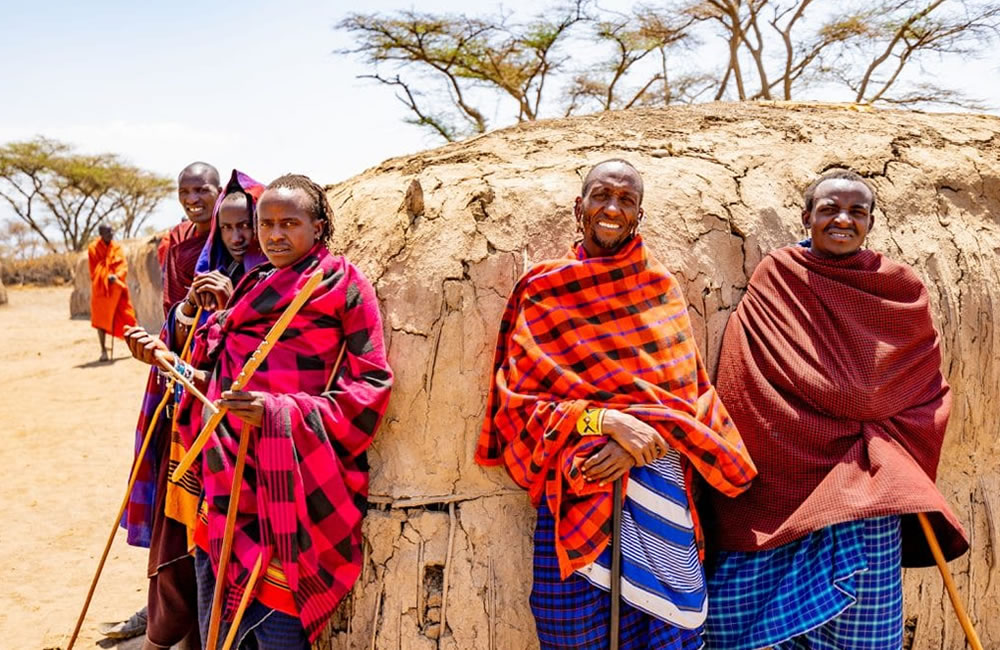
    The Maasai community is renowned for its rich traditions, distinctive red garments, and warrior heritage. Various groups now invite guests to experience their way of life for a night or two. These experiences can be found in Kajiado (Kenya) or in proximity to Ngorongoro and Serengeti (Tanzania).

    Visitors have the opportunity to engage in cattle herding, learn beadwork from Maasai women, participate in traditional dances, and gather around the fire with elders who recount ancient stories. Accommodations are provided in traditional huts (enkangs) constructed from mud and sticks, featuring basic bedding and local cuisine. This experience transcends typical hotel stays—it offers an authentic glimpse into the life of a proud African tribe, creating unforgettable memories.

    Swahili Homestays in Lamu and Zanzibar (Kenya and Tanzania)

    The coastal regions of East Africa present a vibrant culture, delectable cuisine, and gentle breezes from the Indian Ocean. Accommodations in Lamu (Kenya) and Zanzibar (Tanzania) allow guests to reside in traditional Swahili houses featuring intricately carved doors and rooftop tea areas.

    Visitors can acquire skills in preparing coconut rice, donning a kanga, participating in dhow boat excursions, or touring spice plantations. The Swahili community takes pride in their Islamic heritage, poetry, and hospitality. Numerous homestays are located in Stone Town (Zanzibar) and Shela (Lamu), both rich in history and allure.

    Rwanda Cultural Village Stays (Iby’Iwacu Cultural Village)

    Located near Volcanoes National Park in Rwanda, the Iby’Iwacu Cultural Village offers an enriching cultural experience. Established by former poachers who have transitioned into wildlife conservationists, this village educates visitors about Rwandan culture.

    Guests can engage in activities such as drumming, dancing, banana beer production, and learning about traditional medicine. The village’s guesthouses provide basic accommodations and local cuisine. By visiting, you contribute to gorilla conservation while immersing yourself in the culture of the communities that coexist with these magnificent creatures. This destination is particularly popular among travellers seeking gorilla tracking experiences.

    Chagga Homestays near Mount Kilimanjaro (Tanzania)

    The Chagga community resides on the slopes of Mount Kilimanjaro, recognized for their agricultural practices and subterranean irrigation techniques. Certain families within the Chagga offer homestay experiences in their villages close to Moshi.

    Visitors can trek through coffee plantations, participate in coffee roasting, explore Chagga caves that were utilized during tribal conflicts, and appreciate traditional music. The local cuisine features dishes such as banana stew, regional beer, and sweet potato preparations. This destination is ideal for tourists looking to climbing Kilimanjaro or anyone seeking to relish the refreshing mountain atmosphere.

    Turkana and Samburu Village Visits (Northern Kenya)

    For those seeking adventure, northern Kenya presents an unspoiled cultural experience and breathtaking landscapes. The Turkana and Samburu communities provide simple homestays along with immersive cultural activities.

    Travelers can enjoy camel rides, observe traditional dance performances, discover the art of body decoration and beading, and learn about the survival techniques of the inhabitants in arid regions. These desert landscapes feature expansive skies, vibrant attire, and welcoming yet dignified locals. Accommodations may include huts without electricity, but the true reward lies in the knowledge gained from Africa’s desert tribes.

    Why Choose a Homestay or Local Experience?

    Staying in homestays and engaging in local experiences fosters a profound connection with the community. You do not merely observe Africa; you experience it. Your financial contributions directly support local families and aid in the preservation of their cultural heritage. Additionally, you have the opportunity to acquire new skills such as cooking, dancing, or farming.

    These excursions are secure, hygienic, and well-guided when properly arranged. They serve to dismantle the barriers between tourists and residents. You may arrive as a guest, but you depart as a friend.

    Let Primate Safari Experiences Plan It for You

    If you are uncertain about how to begin, allow Primate Safaris to assist you. This esteemed tour company is among the best in East Africa, specializing in linking travellers with reliable and secure homestay options in Uganda, Rwanda, Kenya, and Tanzania.

    With their knowledgeable local guides, reputable accommodation partners, and a profound respect for community traditions, they ensure that every experience is genuine, enjoyable, and memorable. Whether you wish to milk a cow in Uganda, engage in traditional dance with the Maasai, or savour Swahili cuisine in Zanzibar, Primate Safari Experiences can facilitate all of these opportunities.

    Conclusion (Travel Like a Local, Not Just a Tourist)

    When traveling to East Africa, immerse yourself fully in the experience rather than merely passing through. Engage with a local family, partake in a meal, dance beneath the stars, and hear tales from the elders. These moments will create lasting memories.

    Homestays and authentic local experiences are the essence of travel in East Africa, offering simplicity, warmth, and vibrancy. With the assistance of Primate Safari Experiences, your adventure will be secure, seamless, and genuinely memorable.
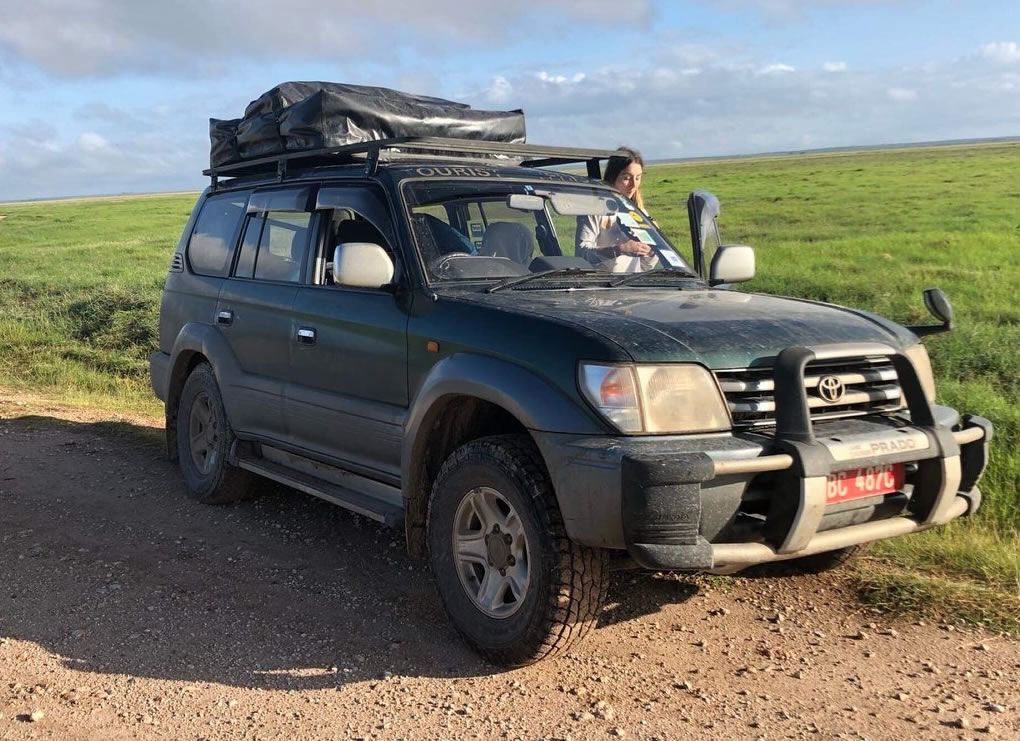
  • Morocco on the Road

    Follow us in Morocco through this gallery…get yourself immersed in the Blue City, lost in the labyrinthine Souq in Fes,  frozen on the mountain chains of the Atlas and soaked in the desert sand. Morocco boasts of merging in the same land so many different sights, its variety will astonishes you.

  • How To Experience Africa Mindfully in 2025

    How To Experience Africa Mindfully in 2025

    Africa is one of the most fascinating places in the world. It is home to breathtaking landscapes, diverse cultures, and incredible wildlife. From the vast savannas of the Serengeti to the lush rain forests of Central Africa, every corner of this continent has something unique to offer.  However, traveling in Africa requires care and responsibility. In 2025, as more people explore this beautiful continent, it is important to travel in a way that respects nature, supports local communities, and preserves cultural traditions. This is what mindful travel is all about. Traveling here can be a life-changing experience, but it is important to do so mindfully. Being a responsible traveller means respecting local communities, protecting nature, and supporting sustainable tourism.

    In 2025, mindful travel is more important than ever. With climate change and over-tourism affecting many destinations, we must think about how our journeys impact the environment and the people we meet. Instead of rushing through places, mindful travel encourages us to slow down, connect deeply, and leave a positive impact. This guide will help you explore Africa in an authentic and responsible way. You will learn how to choose eco-friendly accommodations, support local businesses, and engage with cultures respectfully. Whether you are trekking with gorillas in Uganda, exploring the deserts of Namibia, or relaxing on Zanzibar’s beaches, there are many ways to travel responsibly. Mindful travel is not just about seeing new places it is about experiencing them with care, appreciation, and respect. Let’s discover how to travel Africa the right way in 2025.

    Why Mindful Travel Matters?

    Africa is facing many environmental and social challenges. Climate change, deforestation, and poaching threaten wildlife and natural habitats. At the same time, many communities struggle with poverty and depend on tourism for their livelihoods. Mindful travel allows us to enjoy Africa’s wonders while helping to solve these problems rather than contributing to them. Mass tourism can sometimes have negative effects. Large tour groups, excessive waste, and disrespect for local customs can harm communities and the environment. By making conscious choices, we can minimize these effects and create a better travel experience for ourselves and those around us. Choosing sustainable tourism means that we support local businesses, reduce our carbon footprint, and help protect wildlife.

    How to Travel Africa Mindfully?

    1. Respect Local Cultures: Africa is home to thousands of different cultures and languages. Each country has its own traditions, beliefs, and ways of life. Before visiting a new place, take time to learn about the local customs. Dress appropriately, especially in conservative areas, and always ask before taking photos of people. A little effort to understand the local culture goes a long way in showing respect.
    1. Support Local Businesses: Many small businesses in Africa rely on tourism. Instead of staying in international hotel chains, choose locally owned lodges or guesthouses. Eat at local restaurants instead of big fast-food chains. Buy handmade crafts from local artisans rather than mass-produced souvenirs. Supporting local businesses ensures that your money stays within the community and helps create jobs.
    1. Choose Eco-Friendly Accommodations: Many lodges and camps in Africa are designed to have minimal impact on the environment. Look for accommodations that use solar power, recycle waste, and conserve water. Some lodges are actively involved in conservation efforts, such as protecting wildlife or supporting local schools. By staying at these places, you help promote sustainable tourism.
    1. Travel Light and Reduce Waste: Plastic waste is a huge problem in many parts of Africa. Bring a reusable water bottle, shopping bag, and utensils to reduce the need for plastic. Avoid single-use plastics whenever possible. Pack light and be mindful of what you bring with you less luggage means less fuel consumption and a lower carbon footprint.
    1. Use Responsible Tour Operators: If you are booking a safari or tour, choose companies that follow ethical guidelines. A good tour operator respects wildlife, treats local staff fairly, and gives back to the community. Avoid tours that allow close contact with wild animals, such as petting lion cubs or riding elephants, as these activities often involve animal exploitation.
    2. Respect Wildlife and Nature: Africa is famous for its incredible wildlife, but it is important to observe animals in a way that does not harm them. Keep a safe distance from animals on safari and never feed them. Follow the rules in national parks and reserves. Avoid buying products made from animal parts, such as ivory or tortoise shells, as this encourages illegal wildlife trade.
    3. Give Back to the Community: Many travelers want to help the places they visit. However, it is important to do this in the right way. Instead of giving money or gifts directly to children on the street, donate to a reputable organization that supports education and healthcare. Volunteering can be a great way to give back, but make sure to choose ethical programs that have a real impact and do not exploit local communities.
    1. Be Aware of Your Water Usage: Water is a precious resource in many parts of Africa. Take short showers, turn off taps when not in use, and avoid unnecessary laundry. Some lodges and camps rely on rainwater collection, so being mindful of water consumption can make a big difference.
    1. Spread Awareness and Inspire Others: After your trip, share your experiences with friends and family. Encourage others to travel responsibly and make mindful choices. Social media is a powerful tool use it to promote sustainable tourism, highlight ethical businesses, and educate others about the importance of traveling responsibly.

    Conclusion

    Mindful travel is not just about protecting the environment it is about experiencing Africa in a deeper and more meaningful way. When we travel responsibly, we form genuine connections with the people we meet, gain a better understanding of different cultures, and leave a positive impact on the places we visit. In 2025, as more travelers explore Africa, it is our responsibility to do so with care and respect. By making thoughtful choices whether it is supporting local businesses, reducing waste, or respecting wildlife, we can ensure that Africa remains a beautiful and vibrant destination for generations to come. Mindful travel allows us to enjoy Africa’s wonders while helping to preserve them.

  • How to Experience Rwanda like a local

    How to Experience Rwanda like a local

    Rwanda provides an opportunity to experience daily life from a local perspective. While many visitors stick to guided tours and major landmarks, the country’s real essence is in its streets, markets, homes, and communities. Understanding Rwandans’ routines, traditions, and social interactions allows for a deeper and more meaningful visit.

    This guide outlines practical ways to explore Rwanda beyond the usual tourist activities. From choosing where to stay to navigating public transport, trying traditional meals, and engaging with local customs, each section provides insight into how to experience the country as a resident rather than a visitor.

    Stay in Local Accommodations

    Where visitors choose to stay significantly influences how they experience Rwanda. Opting for locally owned accommodations provides a deeper connection to the country’s daily life, offering opportunities to interact with residents and gain insight into social and cultural dynamics.

    Guesthouses and Family-Run Lodgings

    Guesthouses operated by Rwandan families or community cooperatives offer a more personalized experience than chain hotels. These establishments often serve traditional meals, employ local staff, and contribute directly to neighborhood economies. In Kigali, family-run lodgings in areas such as Nyamirambo or Kiyovu allow guests to observe daily routines and engage with local businesses.

    Homestays for Deeper Cultural Immersion

    For those interested in rural settings, homestays provide an opportunity to experience traditional Rwandan hospitality. Visitors can participate in cooking, farming, or storytelling sessions, fostering a direct exchange of knowledge and culture. Some community-based tourism initiatives, such as those near Volcanoes Park Rwanda and Akagera National Park, combine accommodation with cultural activities, allowing guests to stay with host families while learning about conservation and sustainable livelihoods.

    Eco-Lodges with Local Characters

    Boutique eco-lodges offer a middle ground between comfort and local immersion. These establishments, often constructed with materials sourced from the surrounding area, reflect Rwandan architectural styles and incorporate traditional design elements. Many are located near lakes, forests, or agricultural zones, providing direct access to everyday rural life.

    Engage with Local Communities

    Interacting with communities during your Rwanda safari provides a broader understanding of Rwanda beyond its urban centres and tourist attractions. Visiting cooperatives, participating in local initiatives, and engaging in cultural exchanges allow visitors to connect with residents meaningfully.

    Visit Community Cooperatives and Social Enterprises

    Many Rwandan communities have established cooperatives that support local artisans, farmers, and entrepreneurs. These cooperatives produce handmade crafts, textiles, and agricultural products while creating employment opportunities. Visiting a cooperative provides insight into traditional basket weaving, pottery, and beekeeping skills.

    Azizi Life, a well-known social enterprise, connects visitors with artisans in rural areas for hands-on experiences, including weaving workshops and farming activities. Other cooperatives, such as those specializing in banana wine production or coffee processing, offer guided visits demonstrating the techniques used in these industries. Purchasing items directly from these groups ensures that proceeds return to the artisans and their families.

    Participate in Umuganda (Community Service Day)

    Rwanda’s monthly community service day, Umuganda, occurs on the last Saturday of each month. During this nationwide initiative, residents come together to clean public spaces, repair roads, plant trees, and complete other community improvement projects.

    Visitors to Rwanda during Umuganda can participate by joining a local neighborhood or village effort. These activities foster direct engagement with residents while providing a firsthand look at Rwanda’s collective approach to social responsibility.

    Learn Traditional Skills from Local Experts

    Hands-on learning experiences create opportunities for more profound cultural exchange. Visitors can participate in traditional cooking, cattle herding, or storytelling sessions in rural areas. Some communities offer drumming and dance workshops, where local instructors teach the significance and technique behind Rwanda’s Intore dance and Inanga musical traditions.

    Farming activities are another way to engage with residents in a non-touristic setting. Some cooperatives welcome guests to join in daily agricultural routines, such as tea picking, coffee harvesting, or banana cultivation. These experiences provide a clearer understanding of the labor and skill involved in Rwanda’s agricultural economy.

    Discover Rwanda’s Cultural Heritage

    Rwanda’s cultural heritage is deeply rooted in its history, traditions, and artistic expressions. Exploring museums, historic sites, and traditional performances provides insight into the country’s identity and how its past continues to shape the present.

    Visit the King’s Palace in Nyanza

    The King’s Palace Museum in Nyanza offers a glimpse into Rwanda’s pre-colonial monarchy. The reconstructed royal residence, with its thatched dome structure, represents the architectural style of traditional Rwandan palaces. Guided tours explain the monarchy’s roles, rituals associated with royal life, and the significance of cattle in Rwandan culture.

    The site is also home to the Inyambo (sacred cows), a breed historically kept by the royal family. Known for their large, curved horns and ceremonial significance, these cows are tended by traditional caretakers who sing to them in a practice that reflects the importance of cattle in Rwandan society.

    Explore Local Museums and Cultural Centers

    Several museums and cultural centres across Rwanda provide deeper insights into the country’s history and artistic traditions. The Ethnographic Museum in Huye houses artefacts related to traditional clothing, hunting tools, and spiritual practices, offering a comprehensive look at Rwandan customs.

    In Kigali, the Rwanda Art Museum showcases contemporary works from local and international artists, highlighting the evolution of artistic expression in the country. Meanwhile, smaller cultural centres like the Nyamirambo Women’s Center focus on preserving oral history and traditional craftsmanship.

    Conclusion

    Experiencing Rwanda like a local requires a shift from sightseeing to meaningful engagement with daily life, traditions, and community interactions. Observing how residents navigate their routines, choosing local businesses, and participating in cultural exchanges provide a more comprehensive perspective of the country.

    Authentic travel is more than proximity—it is about understanding social customs, adapting to different ways of life, and respecting the rhythms of the places visited. Approaching Rwanda with curiosity and openness allows for a richer experience beyond tourist attractions. Whether in urban neighborhoods, rural villages, or cultural gatherings, each interaction adds depth to the journey and creates lasting connections with the people and places that define Rwanda.

  • How to Experience Uganda like a Local

    How to Experience Uganda like a Local

    The best way to understand Uganda is to experience it as locals do. This means going beyond tourist sites and engaging in everyday activities—taking a ride in a shared taxi, eating from neighborhood food stalls, and spending time in community spaces. These simple moments offer a clearer picture of daily life than any guided tour ever could.

    Traveling this way requires curiosity and an open mind. It’s about observing, participating in, and respecting traditions rather than just passing through. This guide highlights practical ways to explore Uganda and move beyond sightseeing and connect personally with Uganda.

    Eat Where the Locals Eat: Ugandan Cuisine

    Uganda’s food culture is deeply tied to its agricultural traditions, with meals often centered around fresh, locally sourced ingredients. Restaurants catering to tourists exist, but to experience authentic Ugandan cuisine, eating where the locals do is essential. Small roadside eateries, open-air markets, and neighborhood food stalls provide an unfiltered look at the country’s culinary habits, from preparation methods to communal dining customs.

    Use Public Transport & Boda Bodas

    Navigating Uganda like a local involves using the country’s informal yet efficient transport system. Public transport in Uganda operates without rigid schedules, with vehicles departing only when full. While this system may seem chaotic to first-time visitors, it reflects the country’s adaptable approach to daily commuting.

    Matatus – Shared Taxis for City and Suburban Travel

    Matatus are the most common form of public transport in urban areas. These white minibuses, marked with a blue checkered stripe, follow fixed routes but lack designated stops. Passengers flag them down or disembark at their preferred location. Fares are affordable and vary based on distance, making matatus a cost-effective way to get around.

    Inside, seating is tight, and conductors—locally known as touts—manage fare collection and passenger coordination. First-time users should carry small bills in Ugandan shillings and be prepared for occasional delays due to unpredictable traffic. While matatus can feel overcrowded, they offer a firsthand look at everyday commuting culture, where conversations, music, and urban street life unfold within the vehicle.

    Boda Bodas – The Fastest Way to Move Through Traffic

    For short distances, boda bodas (motorcycle taxis) provide the quickest way to navigate Uganda’s often congested roads. They operate independently, with riders waiting at designated boda stages or offering rides along busy streets. Negotiating the fare before starting the trip is essential, as prices fluctuate depending on distance and time of day.

    Boda bodas offer flexibility, but safety should be a priority. Choosing riders with helmets, avoiding high-speed highway rides, and using regulated boda-hailing apps such as SafeBoda can reduce risk. While bodas are a daily necessity for many Ugandans, tourists should exercise caution, especially when unfamiliar with local road conditions.

    Attend Traditional Events & Festivals

    Uganda’s cultural identity is reflected in its traditional events and festivals, which unite communities for ceremonies, performances, and celebrations. Attending these gatherings provides tourists with a chance to witness authentic expressions of music, dance, storytelling, and rituals that have been passed down through generations.

    Imbalu Circumcision Ritual (Bagisu Initiation Ceremony)

    One of the most prominent cultural ceremonies is the Imbalu Circumcision Ritual among the Bagisu people of eastern Uganda. Held every two years in even-numbered years, this initiation ceremony marks the transition of boys into adulthood through public circumcision. The event is accompanied by drumming, dancing, and processions through villages, creating an intense and profoundly symbolic atmosphere.

    Tourists can observe the cultural significance of this practice, but participation should be approached with respect, as the ceremony holds profound meaning for the Bagisu community. It is advisable to attend with a local guide who can explain the traditions and protocols involved.

    Buganda Kingdom Events

    In Buganda, the Kabaka’s Birthday Run and other royal ceremonies provide insight into the kingdom’s traditions. The Buganda Kingdom Coronation Anniversary is another significant event, celebrating the Kabaka’s reign with public gatherings and cultural performances.

    Held at key sites such as the Lubiri (royal palace) or Kasubi Tombs, these events feature traditional dance, music, and speeches by cultural leaders. Tourists attending these ceremonies can better understand Buganda’s monarchy and its influence on Uganda’s history.

    Nyege Nyege Festival (Music & Arts Celebration)

    For those interested in contemporary cultural experiences, the Nyege Nyege Festival has gained international recognition as East Africa’s leading music and arts festival. Held annually in Jinja, this four-day event showcases a wide range of musical styles, from traditional Ugandan rhythms to electronic and experimental sounds.

    The festival attracts artists and audiences across Africa and beyond, creating a melting pot of cultures and creative expression. It is also known for its lively atmosphere, with performances taking place along the banks of the River Nile.

    Conclusion

    Experiencing Uganda beyond the conventional tourist itinerary provides a deeper understanding of the country’s cultural and social fabric. Engaging in everyday activities, using public transport, and attending local gatherings present an unfiltered view of life in Uganda. Visiting community markets, dining in informal eateries, and interacting with residents outside structured tours create opportunities for meaningful exchanges that go beyond surface-level observations.

    Approaching travel with curiosity and adaptability allows tourists to gain insight into often-overlooked traditions, customs, and local perspectives. While navigating informal markets, using shared transport, or participating in cultural events may require adjusting to unfamiliar settings, these experiences offer a rare opportunity to see Uganda from a local point of view.

    Responsible engagement is key to enriching these experiences for both visitors and communities. Respect for customs, openness to local ways of life, and appreciation for everyday routines foster more authentic connections. Observing how people live, work, and celebrate enhances personal travel experiences and contributes to a more thoughtful and considerate approach to tourism in Uganda.

  • Visit the Rwenzori Mountains National Park

    Visit the Rwenzori Mountains National Park

    About Mt. Rwenzori National Park

    Rwenzori Mountains National Park is home to the legendary. Rwenzori Mountains –Uganda’s highest mountain and the only block mountain that is ice-capped. Mount Rwenzori is 5109m (Margherita peak) and is found on Mount Stanley. Other peaks exist on glaciated mountain ranges like Mt. Emin (4791m), Mt. Baker (4842m), Luigi da Savoia (4527m), Mt. Speke (4890m), and Mt. Gessi (4715m).

    The Rwenzori Mountains National Park also provides refuge to over 70 mammal species and 217 bird species which include the Albertine Rift Valley endemic species of birds. Mt. Rwenzori National Park was gazetted in 1991 and officially, it was recognized as a UNESCO World Heritage Site in 1994.

    Rwenzori Mountains National Park extends 996 sq. km and comprises lush vegetation, rocky outcrops, lakes, cliffs, and snow-capped peaks.

    Different mammals to explore on a safari to the Rwenzori Mountains National Park. They include bushbucks, buffaloes, elephants, duikers, leopards, Rwenzori otters, bushbucks, and primates. The primates in the Rwenzori Mountains Park include chimpanzees, olive baboons, blue monkeys, red-tailed monkeys, and black and white colobus monkeys.

    Birds –over 217 bird species that survive in the Rwenzori National Park include the Rwenzori nightjars, Rwenzori double-collared sunbird, Rwenzori turacos, Archer’s robin-chat, lammergeyers, red-throated leather, and black eagles. In addition, there are 6 species of amphibians and reptiles including the 3 horned chameleon.

    Vegetation zone variations include afro-montane at 1765m to 2600m, bamboo zone 2600 to 3000m, heather zone 3000 to 3800, moorland 3800 m to 4500 meters, and lastly, the rocky glacier at 4500 meters and above.

    Things to do during the self-drive safari in the Rwenzori National Park

    Rwenzori Mountain climbing

    Mountaineering is the leading adventure any enthusiastic climber/hiker shouldn’t miss to enjoy on a Uganda road trip in the Rwenzori Mountains National Park. The available hiking or trekking routes to the summits of the legendary Rwenzori Mountains include the Central Circuit and Kilembe trail.

    En route to the Margherita peak, there are several camps to consider for overnight stay including Mutinda camp (3588m), Samiliara camp (3170m), Kalalama camp (3134m), Butawu camp and Hunwick’s camp (3974m), Sine hut (2596m), and Kiharo camp (3460m).

    Birding

    Over 217 bird species are distributed in the various habitats of Rwenzori Mountains National Park and include many Albertine rift endemic species. The birds to expect to search during the birding excursion in the Rwenzori Mountains include Lagden’s bush-shrike, slender-billed starling, Rwenzori turacos, Archer’s robin chat, ross’s turacos, laughing dove, white-napped pigeon, dimeric cuckoos, white-rumped swift, and levaillant’s cuckoos. Additional birds to sight include strange weavers, cinnamon-chested bee-eaters, and barred long-tailed cuckoos, to mention but a few.

    When to visit

    The dry season is the best time of the year to explore the Rwenzori Mountain ranges. This is from the longest dry season from June to September and short dry months; December, January to February. What to pack for the Rwenzori Mountaineering adventure; sleeping bags, crampons, sunglasses, trekking pants, snacks, gloves, a poncho, a pair of socks, an insulated jacket, mountaineering boots, first aid kit, and poncho.